MET Office Warns El Niño Threatens Maldives' Fishing and Tourism Sectors
The Maldives Meteorological Service (MET Office) has issued a high-alert warning as the El Niño climate phenomenon strengthens across the Pacific Ocean. This shift in global weather patterns poses an immediate threat to the Maldives' critical ecosystems and the economic industries that sustain the nation.
Recent meteorological data indicates that sea surface temperatures in the eastern equatorial Pacific have surged 2.0°C above average. The Niño 3.4 Index, a key indicator of the phenomenon, reached 1.8°C by mid-month. Experts from the Climate Prediction Center (CPC) forecast that these conditions will persist and intensify through the end of the year.
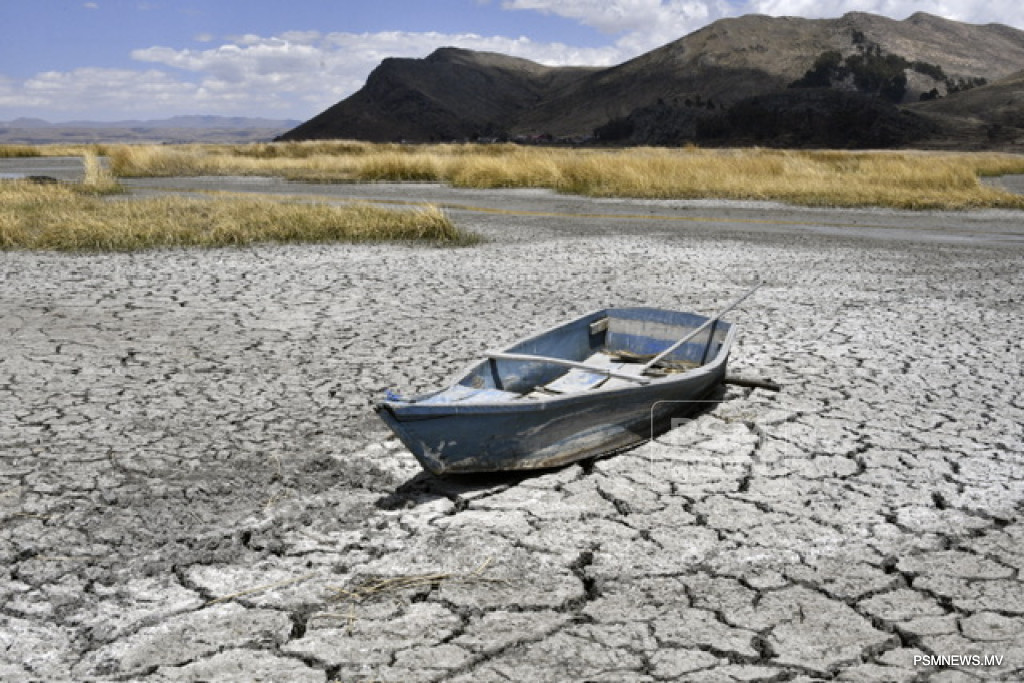
For the Maldives, the consequences of El Niño are multifaceted. Rising sea temperatures increase the risk of widespread coral bleaching, which directly threatens the reef-based eco-tourism industry. Furthermore, altered wind patterns and ocean currents are disrupting the upwelling of nutrient-rich deep waters. This shift destabilizes the habitats of skipjack and yellowfin tuna, potentially leading to a significant decline in fish catches and impacting the local fishing economy.
Beyond the ocean, the agricultural sector faces disruption as shifting rainfall patterns interfere with traditional crop cycles. The MET Office also warned that soaring temperatures are likely to increase the demand for cooling, placing additional strain on the national electricity grid.
To support mitigation efforts, the MET Office has released predictive statistical maps for the September to November period. For September, northern atolls are expected to experience below-normal rainfall, while central and southern regions will likely see above-normal precipitation.
The forecast for October and November suggests a shift, with above-normal rainfall predicted for the northern and central atolls, while the southernmost atolls are projected to receive below-normal rainfall. The agency continues to monitor these conditions closely to provide timely updates for vulnerable sectors.