Minister says Maldivians deserve more than 'a place to sleep' as Rasmalé debate turns to Shenzhen's example
Construction Minister Dr. Abdulla Muththalib told the People's Majlis that the rightful share for Maldivians is not merely a place to sleep, using Hulhumalé as an example of a neighbourhood that remained undeveloped until the Sinamalé Bridge was built.
Speaking in yesterday's Majlis session, Muththalib said that merely reclaiming land and distributing plots would not develop a place even in 40 years, citing plots given in Gulhifalhu and Girāvarufalhu during the MDP government. "Is that the rightful share for Maldivians?" he asked.
He said the Eagal Hills project planned for Rasmalé is intended to create the neighbourhood's own economy, with job opportunities and new economic openings for Maldivians. "It is a project through which a large economy that does not depend on Malé will be created and that place will develop. What we are building is not a place to sleep. Thinking further than that," the Minister said.
The article notes concerns from various parties over the government's plans for Rasmalé.
The report compares the model Muththalib described to the development of Shenzhen in China's Guangdong Province, a fishing neighbourhood of about 30,000 people in 1980 that grew within 40 years into a technology hub of more than 17 million. It cites the book 'The Shenzhen Mystery' by British anthropologist Professor Alan Macfarlane and colleagues, which attributes the city's rise to far-sighted state planning, freedom given to businesses and a culture of experimentation, after then-leader Deng Xiaoping designated Shenzhen China's first Special Economic Zone in 1980.
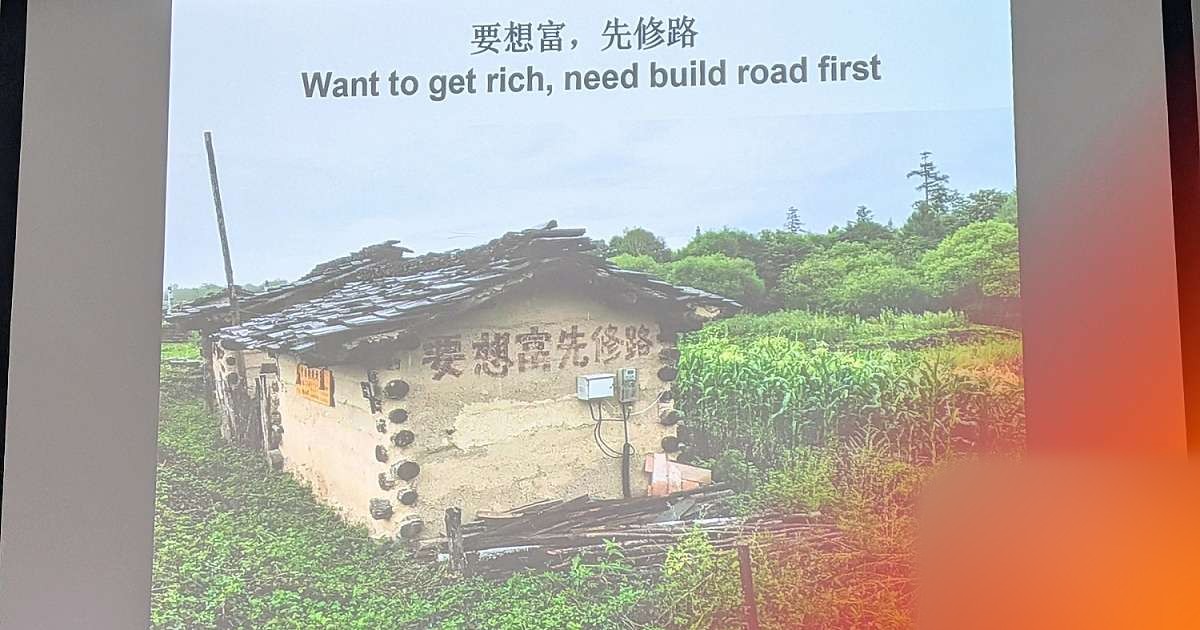
The article says basic urban foundations such as roads, ports, electricity, water and transport networks were laid first, followed by tax relaxations for foreign investors and easy rules for doing business. It notes that neighbourhoods built without jobs or business activity are known as 'dormitory towns' or 'bedroom communities', and that Hulhumalé remained in that situation for nearly 14 years after people settled there in 2004 until the bridge opened in 2018.
The report draws three lessons for the Maldives: connectivity to Malé and Velana International Airport through an easy, cheap and reliable transport system; investor confidence and a transparent system, noting Shenzhen held China's first transparent land auctions and spent the revenue on urban development; and establishing a real economic engine in productive sectors such as tourism, logistics, technology or financial services rather than relying on luxury apartments alone.
It concludes that the vision will become reality not through big talk but on top of a far-sighted plan, transparent governance and a strong economic foundation connected in an urban sense.