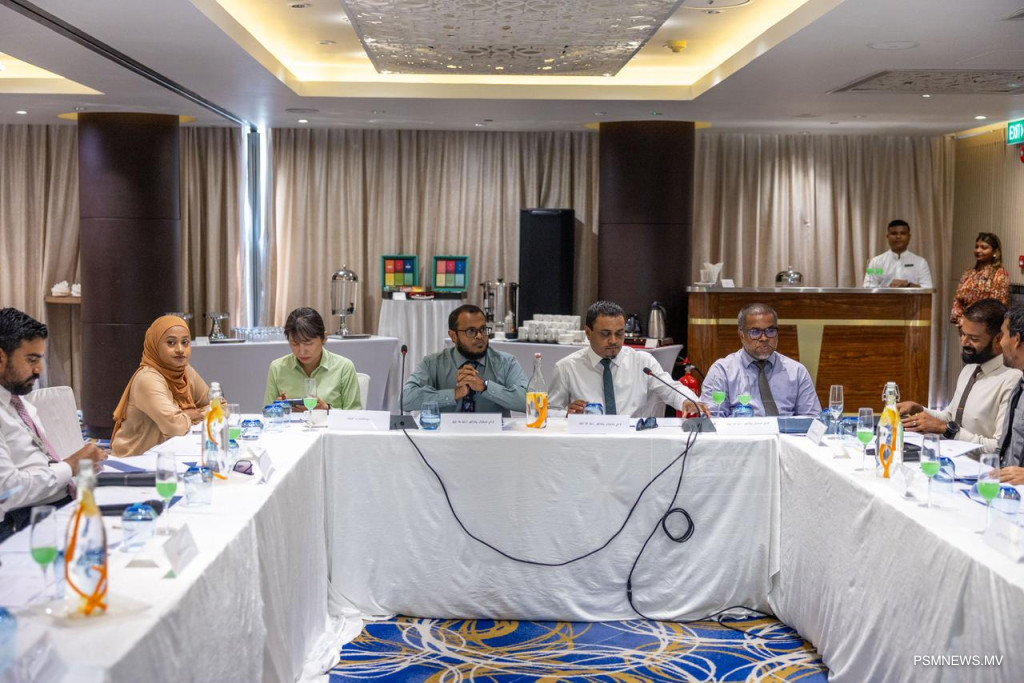
Minister Urges Businesses to Lead Safe Disposal of Hazardous Waste
The Maldives is calling for a stronger partnership with the private sector to manage the growing challenge of hazardous chemical waste. Minister of Climate Change, Environment and Energy Ali Shareef stated that businesses must take a leading role in ensuring that imported chemicals and the resulting waste are disposed of safely to protect the archipelago's fragile ecosystem.
Speaking at a policy consultation meeting held at Hotel Jen, Minister Shareef emphasized that waste management is a collective responsibility. He noted that enterprises, as the primary importers of industrial and healthcare chemicals, must remain at the forefront of regulatory compliance to prevent environmental contamination.
The consultation highlighted the unique vulnerabilities of the Maldives, citing its dispersed geography and the escalating volume of waste. Participants stressed the urgent need for administrative and legal reforms to create a permanent framework for handling hazardous materials, focusing on establishing robust lifecycle standards that track chemicals from the moment of importation to final disposal.
Central to the discussions was a draft national action plan. This three-pronged strategy aims to coordinate initiatives across different sectors, harmonize policies, and expand the institutional capacity of the environment ministry to oversee toxic waste.
The initiative is part of a broader project titled 'Eliminating Persistent Organic Pollutants through Sound Management.' This effort is a partnership between the Maldivian government, the United Nations Development Programme (UNDP), and the Global Environment Facility. As a tangible first step, the project has already established temporary storage centers in Addu City and Vandhoo in Raa Atoll to secure dangerous materials.
The dialogue brought together a broad coalition of stakeholders, including various government ministries, regulatory authorities, municipal bodies, and academic experts. All agreed that implementing strict disposal protocols is an absolute necessity for safeguarding public health, occupational safety, and the long-term health of the Maldivian environment.