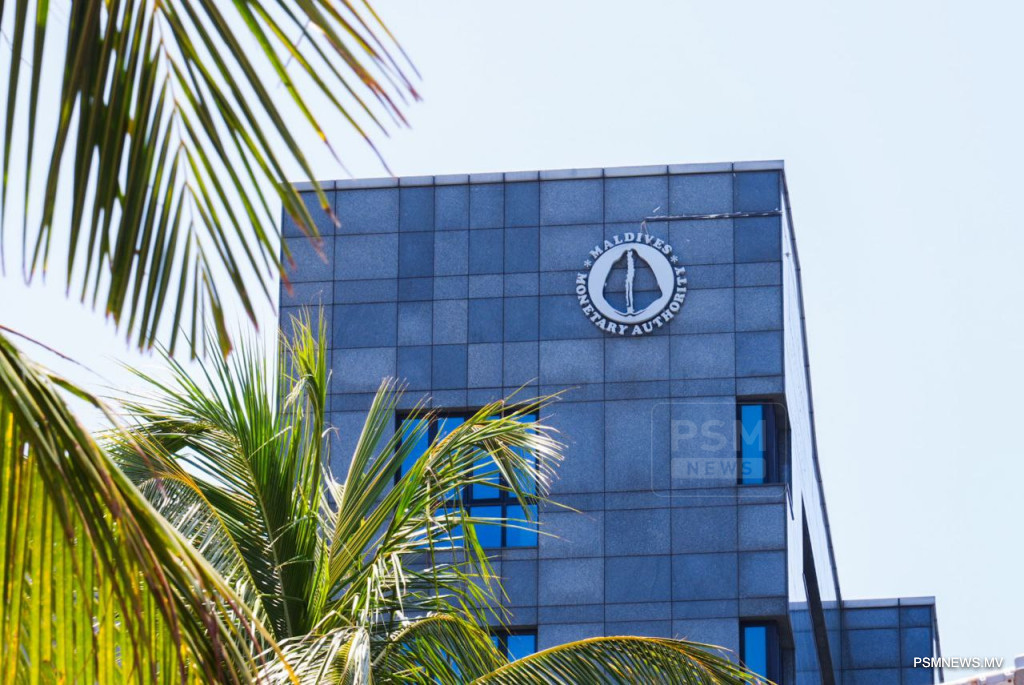
MMA Boosts Dollar Sales as Reserves Dip During Tourism Off-Season
The Maldives Monetary Authority (MMA) reported a significant spike in US dollar sales during July, with outflows exceeding the total foreign currency received by the central bank. This imbalance coincides with a 7% drop in official reserves, which fell from USD 686.8 million to USD 638.0 million by the end of the month.
Demand for foreign currency surged in July, driven largely by school holidays. Sales for travel, medical treatment, and Umrah trips skyrocketed by 172% compared to June. The MMA attributed the shortage to the tourism off-season, which naturally reduced the inflow of foreign currency into the central bank's coffers.
To combat liquidity shortages and support the business sector, the MMA announced a temporary measure on August 11 to increase the volume of dollars sold to commercial banks. For three weeks starting this month, the central bank will sell 51% more foreign currency than its normal weekly quota. This move is specifically designed to help businesses secure the funds needed for telegraphic transfers and letters of credit essential for importing goods.
Under the current Foreign Currency Act, banks must sell 90% of the dollars they convert to the MMA. The central bank then redistributes a portion of these funds to meet public demand while channeling the rest into national reserves. However, the MMA has acknowledged that the existing system creates operational difficulties for various resort categories.
In response, a proposal to amend the Foreign Currency Act has been submitted to the Majlis (the Maldivian Parliament). A key proposed change is the removal of the option for resorts to convert a fixed USD 500 per tourist. Currently, resorts that opt out of this per-tourist conversion are required to convert 20% of their total income. The amendment aims to provide more flexible and sustainable relief for the tourism industry and the wider economy.