MMA Targets Foreign Currency Earners Driving Surge in Dollar Black Market
The Maldives Monetary Authority (MMA) has identified high-earning foreign currency holders as primary drivers of the recent surge in black-market activity. Governor Ahmed Munawar revealed that these parties are circulating large sums of US dollars through unauthorized money changers, bypassing formal banking channels.
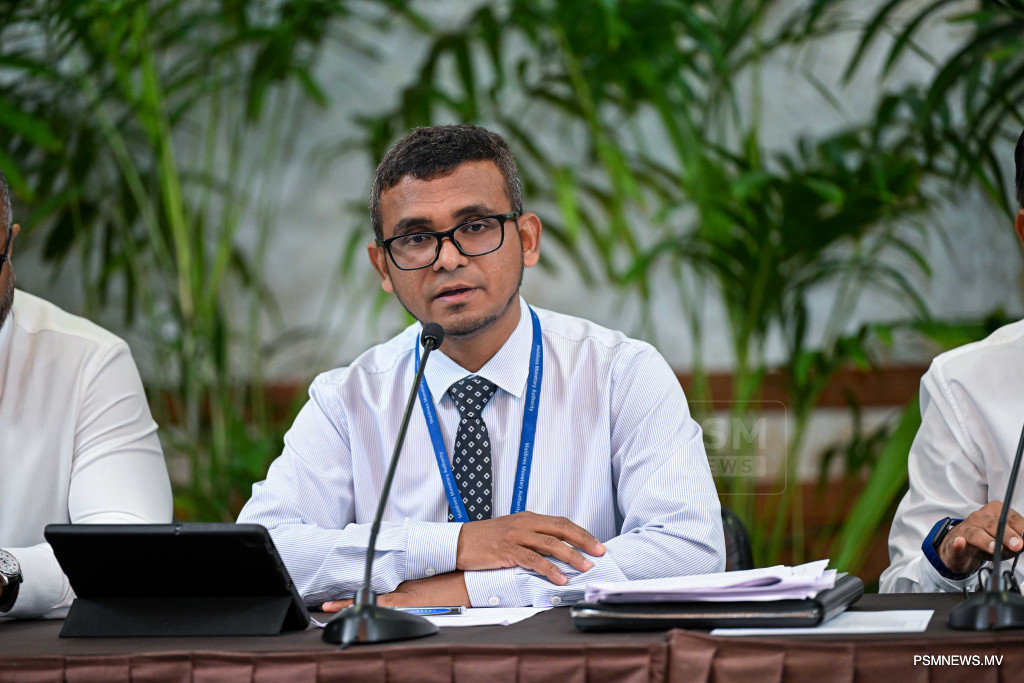
Speaking at a press conference at the President’s Office, Governor Munawar stated that while geopolitical conflicts in the Middle East temporarily disrupted the dollar market, there is no economic justification for the current extent of black-market expansion. In response, the MMA is conducting targeted monitoring operations alongside enforcement agencies. One money changer has already had its operations suspended for regulatory violations.
To tackle the root cause of currency volatility, the MMA has announced an ambitious goal to transition all domestic financial transactions to the Maldivian rufiyaa by 2030. Currently, over 40% of transactions in the Maldives are conducted in US dollars. The Governor highlighted that shifting salary payments at resorts and Trans Maldivian Airways (TMA) from dollars to rufiyaa would significantly increase demand for the local currency.
Further structural reforms are being proposed to the Foreign Currency Act. The government intends to increase the proportion of resort revenue that must be exchanged from 20% to 40% and shorten the exchange window from three months to one month. Additionally, a new mechanism will be introduced to monitor how businesses spend their US dollar earnings.
Governor Munawar also noted that while the economy faced headwinds in March and April due to Middle Eastern conflicts—which increased fuel costs and pressured imports—the tourism sector is showing a strong recovery. Despite a decline in overall arrivals, tourism revenue grew by 1% and bank deposits rose by 18%.
The central bank's long-term vision includes a "managed float system," which the Governor noted will require broader macroeconomic reforms and a stabilized budgetary policy to maintain adequate official reserves.