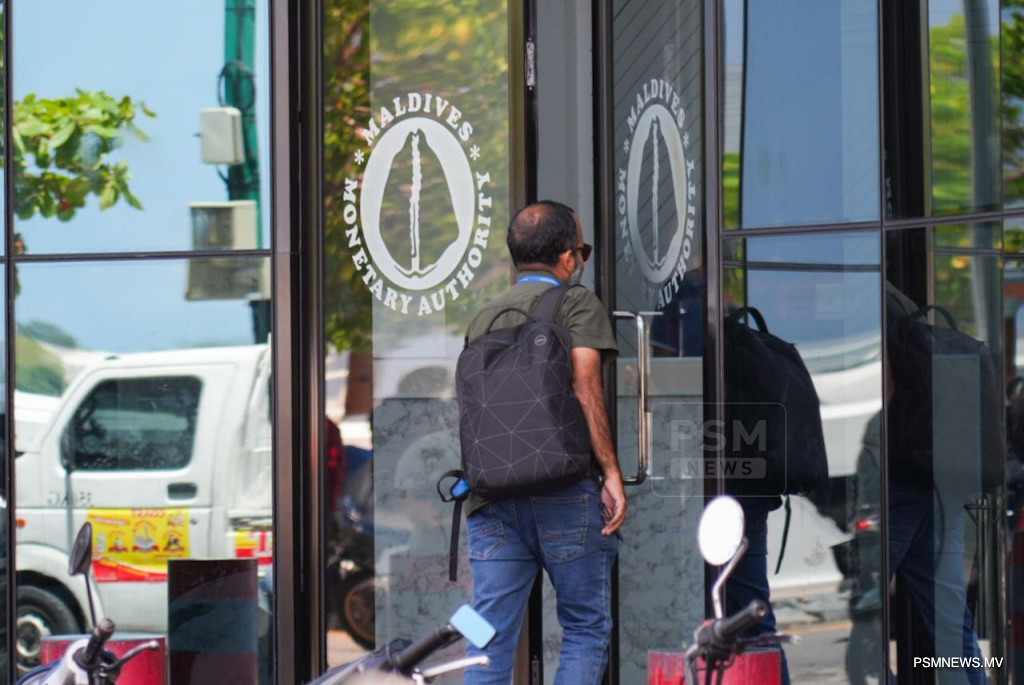
MMA to Launch New USD Verification System for Essential Goods Importers
The Maldives Monetary Authority (MMA) is developing a new verification system to streamline the allocation of US dollars to importers of essential goods. Launched in collaboration with the Maldives Customs Service, the initiative seeks to ensure that foreign currency sold to commercial banks is routed efficiently to businesses importing vital commodities.
Under the MMA’s foreign exchange intervention policy, the new system will allow authorities to cross-reference foreign exchange transactions conducted via Telegraphic Transfer (TT) with physical customs data. This process will verify that the foreign currency is being used specifically for the import of goods into the country, preventing leakage and ensuring the availability of essential supplies.
To maintain the integrity of the system, the MMA is partnering with the Ministry of Economic Development, Transport and Trade to formally identify and certify eligible importers of essential goods. This coordinated effort aims to tighten oversight and ensure that priority sectors receive the necessary financial support.
The move comes amid a significant surge in demand for foreign currency. Data from the Bank of Maldives (BML) reveals that over USD 186 million was released for TT payments between January and July this year. This averages to USD 27 million per month, representing a sharp increase of USD 12 million compared to the monthly average of the previous year.
In total, the national bank provided approximately USD 570 million to meet various customer foreign exchange needs over the first seven months of the year, averaging USD 2.7 million in daily disbursements.
To mitigate the ongoing pressure on the foreign exchange market and increase the accessibility of USD through formal banking channels, the MMA has taken temporary measures. On 11 August, the central bank announced a temporary increase in the volume of US dollars sold to commercial banks for a three-week period to stabilize the market.