MMA warns internal debt surge poses systemic risk as 2027 budget relies heavily on domestic borrowing
The Maldives Monetary Authority (MMA) has warned that the government's reliance on domestic borrowing to finance next year's budget is increasing internal debt to dangerous levels and poses a major risk to the stability of the country's financial system.
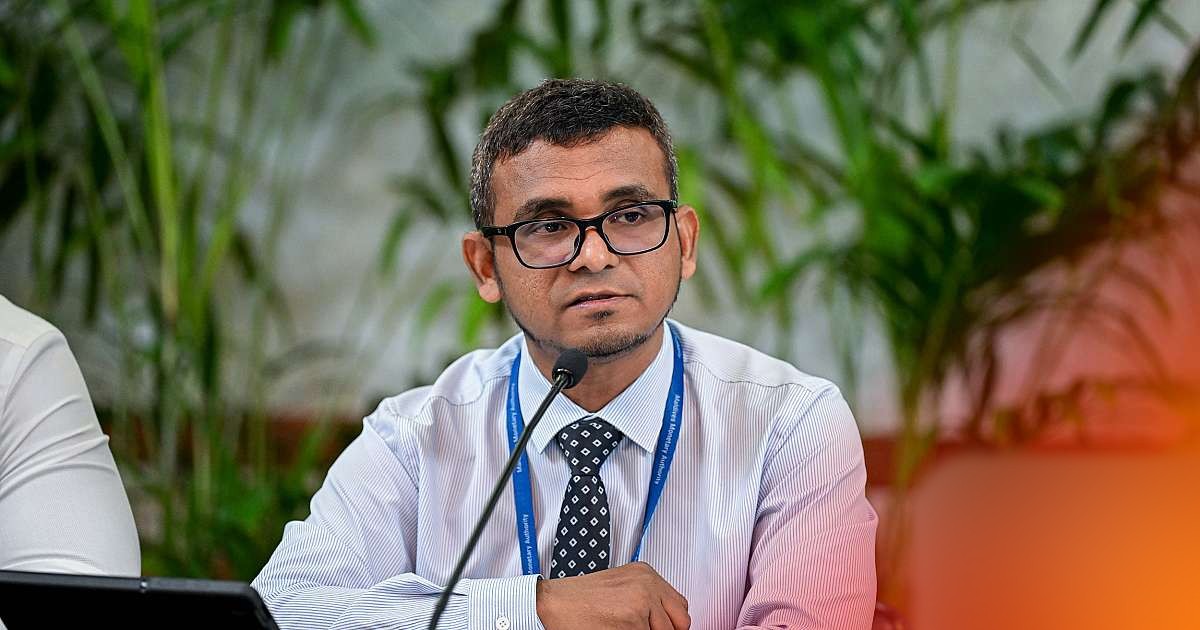
In technical advice submitted to the People's Majlis Budget Committee, MMA Governor Ahmed Munavvar detailed the economic risks in the proposed state budget of MVR 59.7 billion for 2027.
The overall budget deficit is projected at MVR 9.4 billion, or 7 percent of GDP. Of the total MVR 18.9 billion needed to finance the deficit, MVR 12 billion – 63 percent – is planned to be raised from the domestic market. This would be done through selling financial securities (MVR 8.7 billion), borrowing from the Sovereign Development Fund (MVR 2.4 billion), and recovering released loans (MVR 900 million).
The MMA noted that 78 percent of this year's budget deficit is also being financed internally. As a result, commercial banks now hold 35 percent of their capital in government Treasury bills and bonds. “The increasing share of debt sold to the government in banks’ asset portfolios poses a major risk to the stability of the entire financial system,” the MMA's advice said.
To mitigate this risk, the central bank advised prioritising efforts to secure the MVR 6.9 billion allocated from external sources, including loans from external parties (MVR 2.4 billion), budget support (MVR 1.9 billion), and selling bonds and sukuk (MVR 2.7 billion).
Total state debt, including government-guaranteed debt, is projected to reach MVR 161.3 billion, or 125 percent of GDP, by the end of 2027. The MMA expressed concern that over USD 500 million has already been spent on debt repayment and sukuk this year – the first time in the country's history such a large amount has been required in a single year.
The MMA also highlighted pressures on official reserves from rising oil prices due to Middle East conflicts and recommended consolidating Airport Development Fee revenues into the SDF, granting the SDF legal status to ensure external debt repayment.
On recurrent expenditure, the MMA advised controlling staff costs under the pay harmonisation policy, targeting electricity subsidies, implementing Aasandha reform from January, and strictly managing expenses for training, scholarships, and embassies to protect foreign reserves.
The central bank also warned that contractor financing for PSIP projects is increasing the money supply, adversely affecting exchange rates, and creating challenges for financial stability. It advised financing such projects externally and prioritising ongoing projects.
Regarding revenue, the MMA noted that no new measures to increase revenue are included in the budget and that most revenue depends directly or indirectly on tourism. It stressed the need for a robust contingency plan and strengthening MIRA's audit function. The MMA supported a proposal to transfer administrative work related to Customs revenues under the Ministry of Finance to improve collection.
The unpaid amount owed to the state through MIRA has reached MVR 14.5 billion. The central bank also instructed all relevant departments to collaborate to achieve the MVR 771 million revenue target from extended resort lease terms and to study the impact of free trade agreements on import duties.