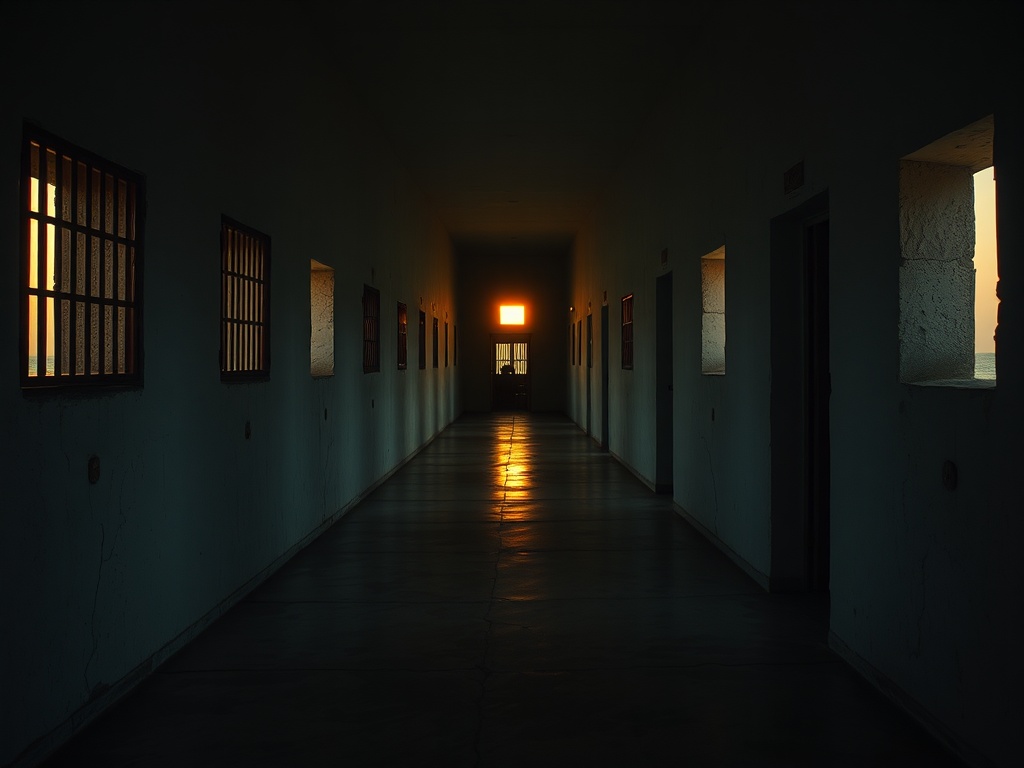
Months in a Cell Without Trial in Malé
In the cramped cells of Malé's detention facilities, time moves differently. For those held in Vaanuvaa—the local term for extended pretrial detention—days blur into weeks, then months, without resolution. Their stories have sparked a public conversation that cuts across political lines, raising fundamental questions about justice, proportionality, and human dignity in the Maldives.
The debate gained momentum when citizens began questioning specific cases: a young girl facing prosecution for a minor infraction with no violence or damage; a father of four sentenced to 27 years for what supporters call questionable charges; and the contrast between these cases and high-profile figures who've avoided consequences. These examples have become symbols of a broader concern about consistency in applying justice.
At the heart of the criticism lies the practice of indefinite remand detention. Critics describe overcrowded facilities with leaking water, inadequate yard time, and multiple rights deprivation. Those who've visited detainees report conditions that challenge basic human dignity, regardless of the accusations involved. The system, they argue, presumes guilt through prolonged detention before trial.
Meanwhile, parallel discussions examine how justice is administered across different strata of society. The perception that well-connected individuals receive different treatment than ordinary citizens fuels skepticism about the system's fairness. When those accused of significant financial crimes can reportedly avoid prosecution through restitution, while others face severe consequences for lesser offenses, public trust erodes.
This isn't merely about individual cases but about systemic patterns. The conversation has moved beyond specific incidents to examine structural issues: politicized judiciary, inconsistent application of laws, and detention practices that may constitute what critics call 'systematic torture.' Those who've remained unaffected by these practices, commentators note, often remain silent until the system touches their own families.
The government faces growing calls for reform that balances accountability with human rights. The demand isn't for leniency toward crime but for consistent, transparent processes: fair trials conducted without unnecessary delay, detention used proportionately, and a system that distinguishes between minor infractions and serious threats to public safety.
As this discussion unfolds across social media platforms and coffee shops, it reflects a society grappling with how to build a justice system that commands respect rather than fear. The fundamental question being asked isn't whether there should be consequences for wrongdoing, but whether those consequences should vary based on connections, wealth, or political considerations. In a nation proud of its independence and Islamic values, the conversation about Vaanuvaa has become a conversation about what kind of justice system reflects the country's highest aspirations.
— Source fragments: Prosecuting young girl for minor infraction; indefinite detention without trial; unfair trials as political shows; contrast between treatment of ordinary citizens and connected individuals; inhuman conditions in detention; calls for justice reform and ending Vaanuvaa