Months Inside Malé's Cells Without a Trial Date
In the cramped cells of Malé's detention facilities, time moves differently. For those held in Vaanuvaa—pretrial remand—days blur into weeks, then months, without resolution. Their stories have spilled onto social media, forming a digital tapestry of frustration that reveals deep fissures in Maldivian justice.
The conversation centers on proportionality. Why prosecute a young girl for a minor infraction involving no violence, no injury, no property damage? Why sentence a father of four to 27 years for what supporters describe as trivial offenses? These questions echo through online platforms, where citizens document what they see as a system lacking balance.
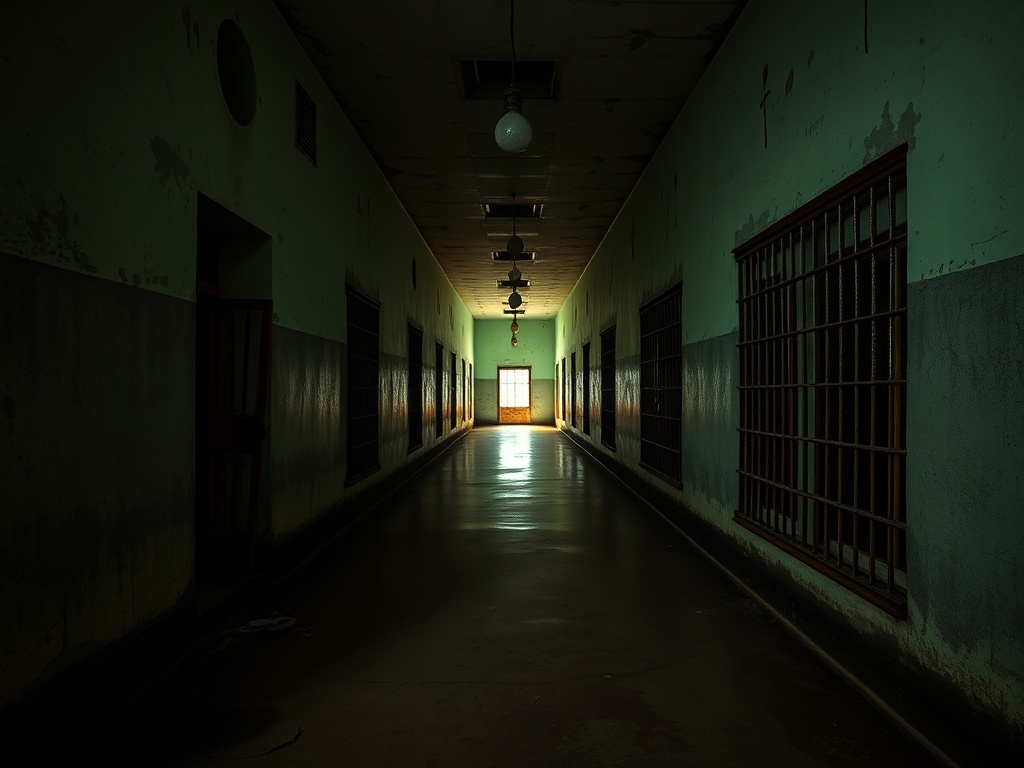
Behind these individual cases lies the broader specter of indefinite detention. Prisoners remain without trial in overcrowded cells, some reportedly leaking water, with inadequate yard time and multiple rights deprived. The conditions themselves become a form of punishment before conviction, creating what critics call systematic torture that profits the government while destroying lives.
The political dimensions cannot be ignored. Observers note rushed verdicts that feel like political theater, contrasting with cases where well-connected figures walk free after returning stolen funds. This two-tiered system—where outcomes appear to depend on connections rather than consistent principles—erodes public trust in judicial institutions.
Yet the debate isn't monolithic. Some voices caution against swinging too far toward leniency, noting that repeated crimes by released offenders remind society that justice must balance compassion with accountability. The consensus emerging isn't against punishment itself, but against punishment without due process.
At its heart, this isn't just about legal reform. It's about the basic dignity every person deserves while awaiting judgment. It's about whether the system sees individuals or just cases. As one observer who spent time with a remand inmate noted, the human cost of this waiting game becomes visible only when it touches your own family.
The digital calls to #EndVaanuvaa represent more than hashtag activism. They document a growing realization that justice delayed isn't merely justice denied—it's justice transformed into something else entirely, something that leaves marks long after the trial concludes.
— Source fragments: What public interest is served by prosecuting a young girl for such a minor infraction; These prisoners are kept without trial in indefinite detention; Not a fair trial. It was just a political show; Every person, no matter what they are accused of, deserve fair trials and dignity; What we need are fair trials, transparency, accountability, and timely justice