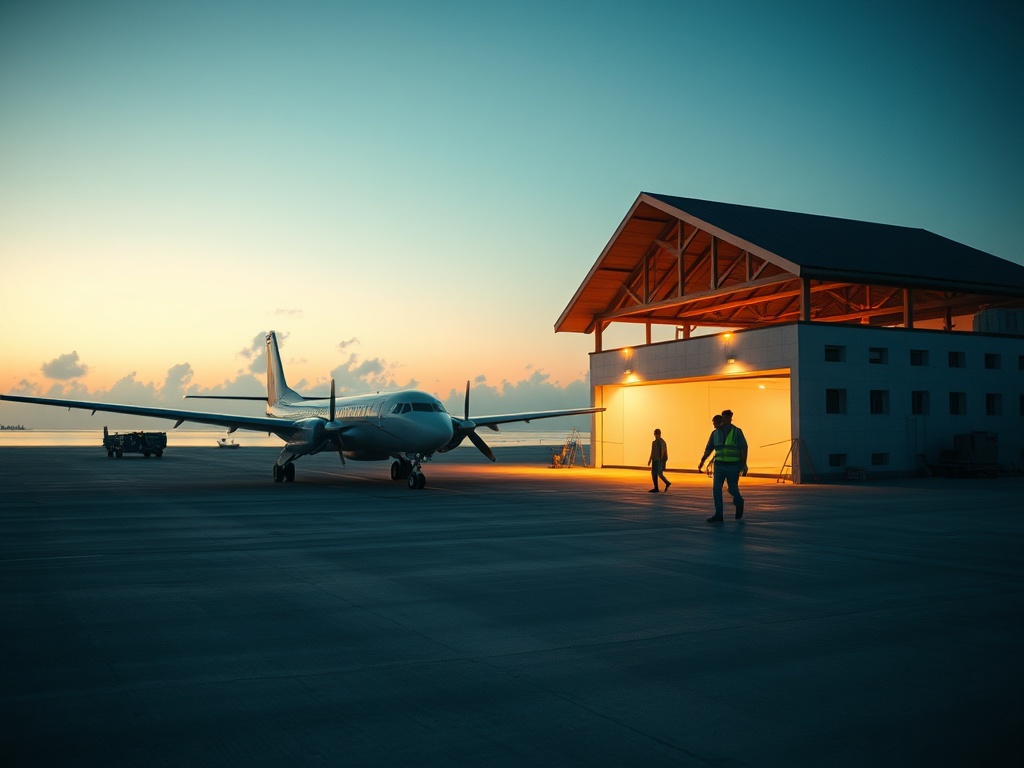
Moving international traffic to other zones isn’t easy.
The idea of spreading international air traffic beyond Velana International Airport has been floated for years, often as a solution to congestion and as a boost for local economies on other atolls. But what does it really take to shift flight paths and passenger flows across our scattered islands?
The reality is stark: airlines operate on razor-thin margins and established routes. Convincing them to service fledgling international gateways in places like Gan or Hanimaadhoo requires more than just political will—it demands proven passenger numbers, cargo potential, and operational efficiency. Have we adequately assessed whether tourist traffic, which dominates our inbound flights, would willingly bypass Malé for a more distant arrival point? Or whether our national carrier can sustain such a fragmented network without compromising its financial health?
Then there’s the infrastructure gap. An international airport isn’t just a longer runway. It needs customs and immigration facilities that operate round the clock, secure baggage handling systems, aviation fuel supply chains, and emergency services that meet global standards. In many proposed zones, these are either incomplete or exist only on paper. How do we accelerate development without creating white elephants—airports that are built but underused, draining public funds that could have been spent on health or education?
This isn’t just about convenience. It’s about risk. If we push for decentralization without solid feasibility studies, we risk diluting the brand ‘Maldives’ as a seamless luxury destination. Tour operators sell packages that rely on quick transfers from Velana to resorts. Fragmenting arrival points could mean longer, costlier travel for tourists, potentially driving them to competing destinations like Seychelles or Mauritius.
And what of our own people? Would more international airports mean more jobs for island youth, or would management and technical roles still be outsourced? Would cheaper cargo flights lower the cost of living in the atolls, or simply add another layer of logistics and expense?
The clock is ticking. Climate change threatens our coastlines, and over-reliance on one international gateway poses its own security and economic vulnerabilities. But the solution must be pragmatic, not just aspirational. We need honest dialogue—not just between politicians and planners, but with airline executives, resort owners, and local communities. The sky above the Maldives is a shared resource. How we navigate it next will define our resilience for decades to come.