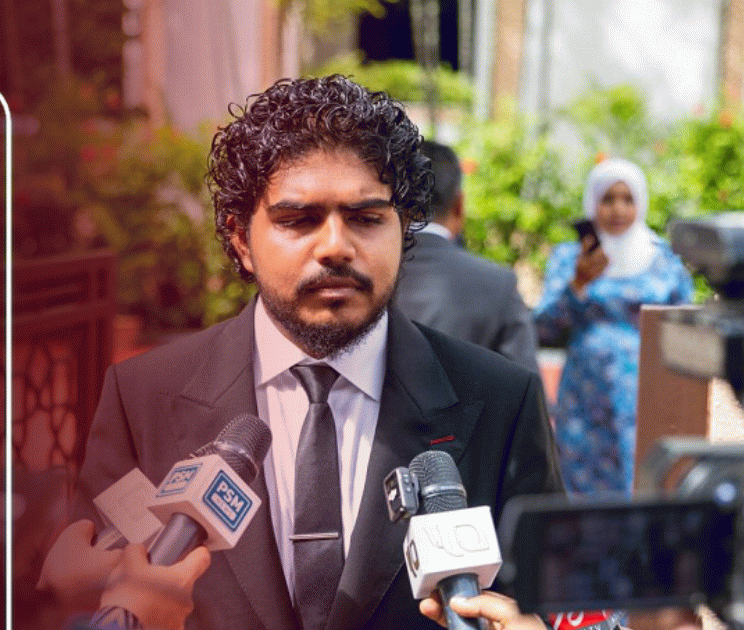
MP Azan Defends High Parliamentary Salaries, Cites Heavy Personal Spending on Constituents
Hithadhoo Medhu MP Ahmed Azan Marzooq has defended the relatively high salaries of Maldivian parliamentarians, arguing that the personal expenses they incur for their constituencies are far greater than those faced by lawmakers in other countries.
Speaking in response to a social media post comparing MP salaries across nations, Azan noted that while Maldives MPs earn 7.14 times the national average salary – compared to Singapore's 3.2 times – the comparison is misleading. He highlighted that parliamentarians in other countries receive separate allowances for office operations, travel, staff, and other administrative costs, whereas Maldivian MPs must cover these expenses from their own pockets.
According to Azan, the take-home pay for an MP is 77,700 rufiyaa per month after deductions. He said the high cost of travel to their atolls, with a single trip often exceeding 20,000 rufiyaa, prevents many MPs from visiting their constituencies regularly. He also pointed out that constituents frequently seek financial help for medical emergencies, family needs, and even sponsorship of school events, sports tournaments, and religious activities – expectations that are not shared by MPs in larger countries.
Azan’s comments came after the Parliament’s Finance Committee approved salary increases earlier this week, raising the Speaker’s salary to 95,000 rufiyaa and also increasing allowances for ministers and island councils. The decision has reignited public debate about the size of parliamentary salaries, especially as the government faces a widening budget deficit – with expenditures reaching 36.4 billion rufiyaa against revenues of 31.9 billion rufiyaa so far this year.
Some public reactions to Azan’s defense have pointed out that the culture of seeking personal help from MPs is itself a systemic problem, and that constituents elect MPs hoping for structural improvements rather than individual handouts. Others noted that even with a salary of 77,700 rufiyaa, many ordinary citizens struggle with the same rent, bills, and food costs as MPs.