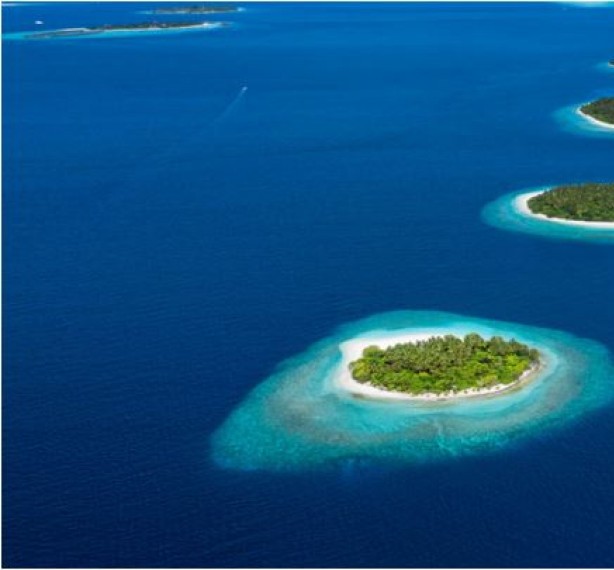
New Bill to Overhaul Leasing of Maldivian Lagoons and Uninhabited Islands
The Maldivian government has introduced a comprehensive bill to modernize the leasing framework for lagoons and uninhabited islands, seeking to replace the outdated Uninhabited Islands Act. Sponsored by ruling party lawmaker Saudullah Hilmy of Thinadhoo North, the legislation aims to streamline how the nation's natural assets are designated, allocated, and managed.
Under the proposed Lagoons and Uninhabited Islands Lease Bill, the President will hold the authority to earmark these areas for a diverse range of activities. These include tourism, fishing, agriculture, industry, and various economic or social projects, as well as specific state functions.
The bill introduces a dual-management system to balance central and local authority. The central government will directly lease islands earmarked for tourism and industrial development, while local island councils will oversee the administration and leasing of other uninhabited islands. Lagoons will remain under the jurisdiction of the relevant Ministry.
To stimulate economic growth, the bill opens opportunities for both domestic and foreign investors. Commercial leases will be available to Maldivian-registered companies, partnerships, and individuals, as well as foreign entities that re-register locally. Additionally, the law allows for the allocation of islands to citizens or registered businesses for aquaculture and medium-to-large scale industrial ventures requiring a minimum investment of USD 64,850.
Lease durations are strictly defined to provide investment security. Islands with a designated purpose can be leased for up to 21 years, with a total maximum tenure of 50 years after extensions. For islands without a pre-determined use, the bill allows an initial five-year lease, renewable in five-year increments.
Financial oversight will be shared, with the Ministry of Finance setting acquisition fees while rent schedules follow the new legislative guidelines. Existing agreements under the previous Act will remain valid, though they must now comply with the new bill's general regulations.
To ensure environmental protection, the legislation introduces significant financial penalties. Illegal activities on leased islands may result in fines up to USD 32,425, while general breaches of the lease law could incur penalties as high as USD 64,850.