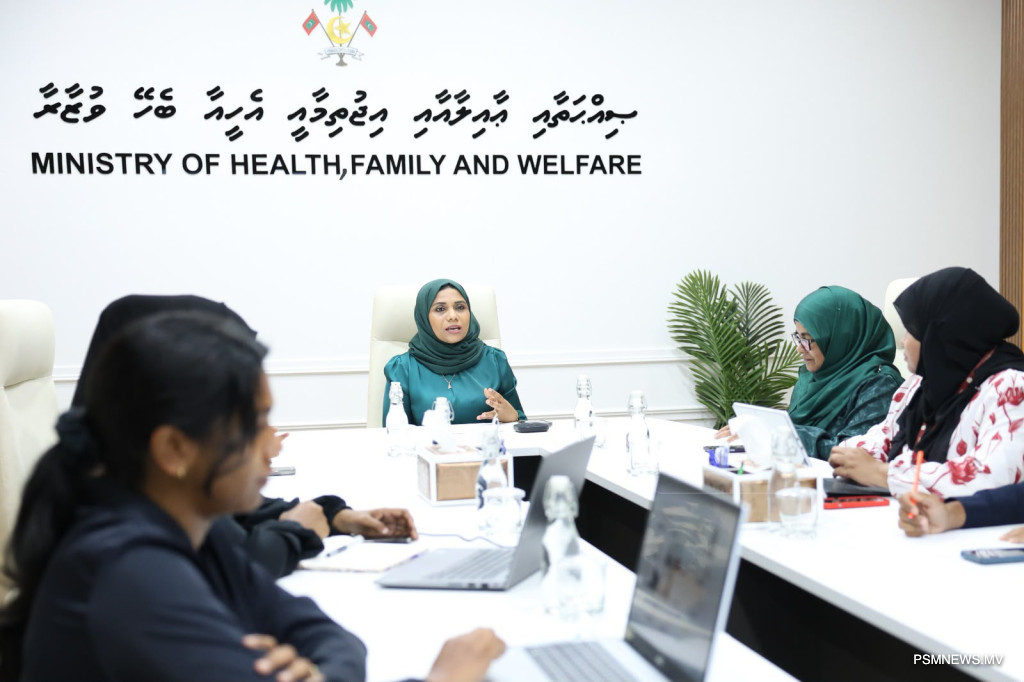
New National Platform Launched to Integrate Women’s Voices into Maldivian Policy
The Ministry of Health, Family and Welfare has launched the Women’s Policy-Making Platform, a strategic initiative designed to ensure women's perspectives are directly represented in national decision-making and policy development.
Established under a pledge by President Dr Mohamed Muizzu, the platform creates a formal framework to integrate women's views into discussions regarding social justice and protection. The goal is to ensure that constructive recommendations emerging from these consultations are not merely heard but are implemented as national policies.
At its core, the platform introduces a participatory governance mechanism that bridges the gap between local grassroots concerns and national administration. By connecting voices from the island level to atoll, regional, and national tiers, the government aims to foster more inclusive decision-making and advance gender equality across the Maldives.
To operationalize this vision, the Ministry will establish Women’s Policy-Making Atoll and City Platforms. These will serve as vital links, connecting representatives from Women’s Development Committees (WDCs) across the archipelago. These local insights will then feed into a Women’s National Policy-Making Platform, which will comprise atoll representatives, relevant government institutions, and civil society organizations.
The national platform's primary mandate is to synthesize issues identified at the city and atoll levels into a comprehensive Annual Women’s Policy Agenda. This agenda will guide the development of national policies and development plans, providing tangible solutions to the specific challenges faced by women in different regions of the country.
The platform was officially introduced during a virtual meeting attended by presidents of Women’s Development Committees from all islands and cities. To support the rollout, the Ministry conducted orientation sessions to familiarize participants with gender concepts, existing legal frameworks, and the current socio-political landscape affecting women at the national level.