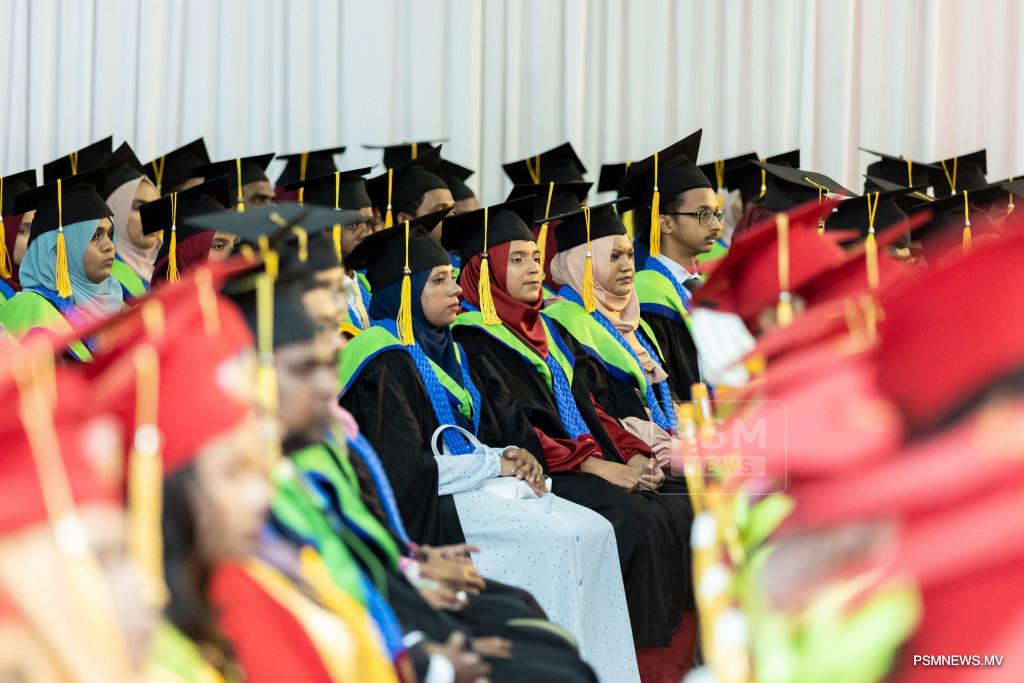
New Regulations Allow Private Colleges to Transition Into Full Universities
The Maldivian government has introduced new regulations under the Higher Education Act, creating a formal pathway for private colleges to upgrade their status to universities. This framework establishes uniform standards for the registration, operation, and dissolution of higher education institutions across the archipelago.
To qualify for university status, a local institution must have operated as a college for at least 15 years. For international institutions seeking registration, the requirement is a 10-year track record as a recognized university in their home country. Both must offer programs in at least three different fields, ranging from bachelor's to master's degrees, with each course having been offered continuously for five years.
Beyond longevity, the regulations impose strict quality benchmarks. Institutions must maintain a minimum enrollment of 1,000 students at the degree or master's level and hold a recognized position in an international university ranking. Furthermore, they must have been members of an international university association for at least five years and demonstrate a proven track record of conducting research of international standards.
Academic staffing requirements are also stringent; at least 10 percent of full-time staff must hold a PhD or have attained Level 10 of the national qualifications framework. Once registration is granted, new universities are mandated to launch at least one PhD-level program within two years.
Applications must be submitted via a dedicated portal managed by the Ministry of Higher Education, Labour and Skills Development. Each proposal will be scrutinized by a five-member technical committee consisting of higher education experts and officials from the Ministry and the Maldives Qualifications Authority (MQA). The Ministry is required to reach a final decision within three months of receiving a proposal.
The transition involves significant financial commitments. Registering a main campus costs approximately USD 6,485, with additional fees for learning centers, outreach centers, and campus expansions.
Currently, the Maldives is served by two primary institutions: the Maldives National University and the Islamic University of Maldives. These new regulations open the door for private sector growth in higher education, potentially diversifying the academic landscape for Maldivian students.