No one's talking about it, but we all know
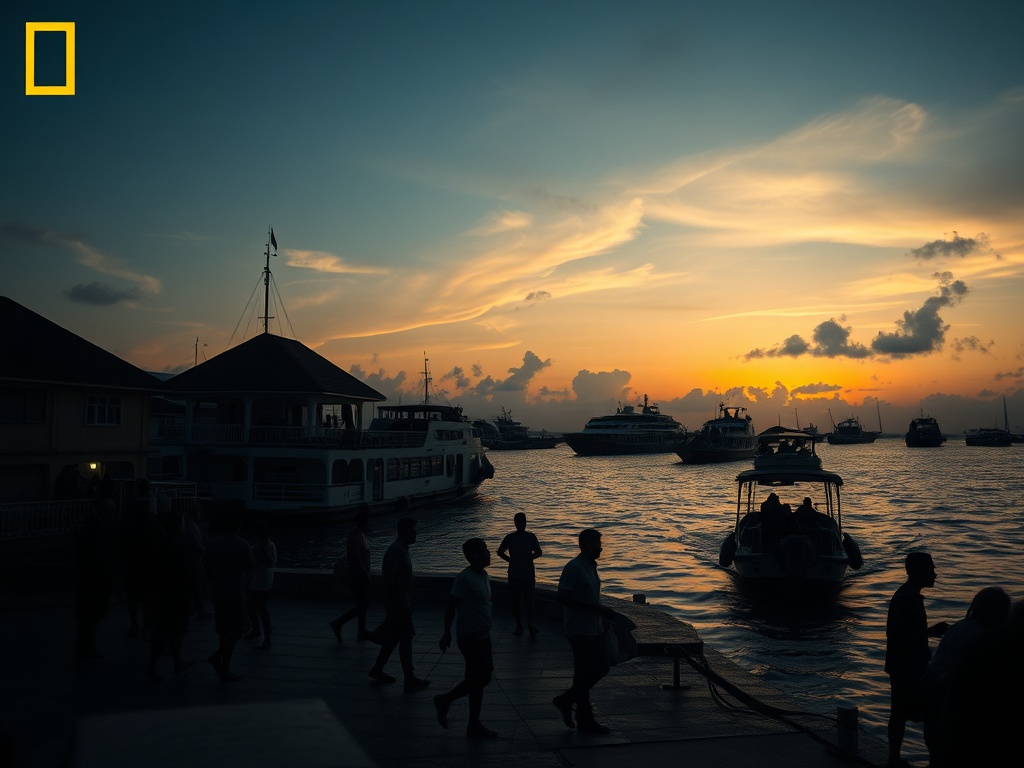
The ferry horn sounds across the harbor, the same sound I've heard since childhood, but these days it carries a different weight. We stand on these docks watching the same political dramas play out, season after season, while the water rises and the real work goes undone.
I remember when politics felt like it mattered – when we believed campaigns could change things. Now we watch from the sidelines, the same faces rotating through positions, the same promises made and broken. The hashtags trend for a week, the anger flares, then it all settles back into the same patterns. The real issues – the medicine shortages, the jobs that don't exist, the houses we can't afford – these continue like the tide, relentless and unchanging.
What strikes me most isn't the scandals or the diplomatic blunders, but the silence that follows. The way we all know what's happening, yet no one speaks of it directly. We mention it in passing at the tea shop, in lowered voices on the ferry, in the sideways glances when another relative gets appointed to another position. We've grown tired of shouting into the wind.
Yet there's something quietly resilient in this silence. It's not surrender, but a different kind of knowing. We've learned that change doesn't come from campaigns or hashtags, but from the small, persistent acts of living – from the teachers showing up to classrooms despite the politics, from the fishermen heading out to sea regardless of who's in power, from parents making meals stretch further when prices rise.
The principals gather for their conference, and I wonder if they feel this same tension – the gap between the official priorities and the reality in their schools. Between the political theater and the children who need education, healthcare, futures. We keep building our lives around the politics, learning to navigate the currents without being swept away.
Maybe this quiet persistence is our real strength. Not the loud campaigns or the diplomatic statements, but the determination to keep living, keep working, keep hoping despite it all. We're still here, still moving, still finding ways to smile when the sea gets rough. And perhaps that's the most powerful statement we can make.