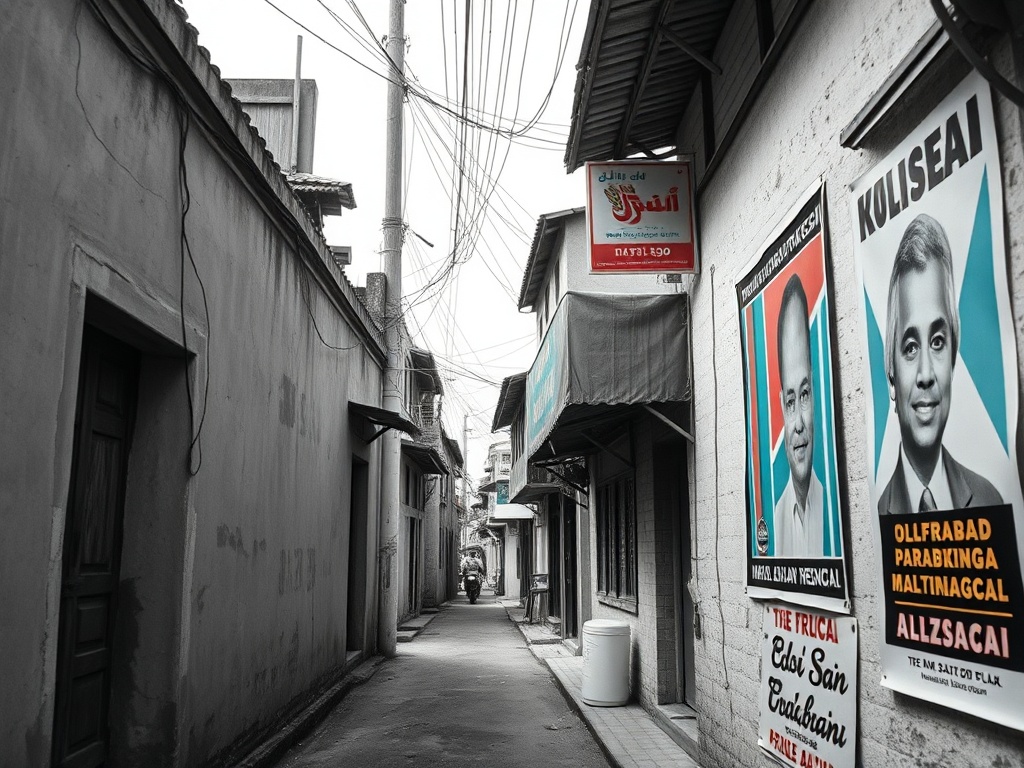
November 10, 2003: The Day Maldivian Politics Changed Forever
In the corridors of Maldivian politics, certain dates echo louder than others. November 10, 2003 stands as one such marker—the day when political opposition formally crystallized into an organized entity during discussions in Sri Lanka. Yet this historical milestone, like many others, risks being buried beneath the weight of political expediency and selective memory.
The debate around historical accountability reveals a fundamental tension in the nation's political consciousness. Some voices in Malé advocate for leaving the past behind, arguing that constant revisitation of old wounds hinders progress. Others insist that without honest confrontation with historical truths, the nation remains trapped in cycles of political dysfunction. This isn't merely about assigning blame but about understanding how certain political compromises and failures to establish robust justice mechanisms have shaped the country's current trajectory.
The argument that political movements gain momentum through catalytic events rather than arbitrary start dates speaks to a deeper truth about Maldivian democracy. The transformation from autocracy to multiparty politics wasn't a single event but a series of pushes and responses, gains and setbacks. What some describe as political forgiveness, others view as justice deferred—creating conditions where old power structures could reassert themselves through different means.
This historical ambivalence manifests in contemporary governance challenges. The politicization of institutions, the erosion of civic space, and the persistent allegations of corruption all trace back to unresolved questions about accountability and power. When mechanisms for political activism and justice remain underdeveloped, the political landscape becomes vulnerable to the very patterns it sought to escape.
The call to 'talk about it loudly' represents more than nostalgia—it's a demand for historical literacy as political wisdom. The argument isn't for perpetual grievance but for institutional memory that can guide future decisions. In a nation where political fortunes shift rapidly and new alliances form across old divides, understanding how previous compromises have played out becomes essential for breaking destructive cycles.
As Maldives navigates complex challenges from economic pressures to governance reforms, the relationship between its past and present remains crucial. The wisdom needed to prevent history from repeating itself may indeed lie in keeping these conversations alive—not as weapons for political combat but as lessons for building more resilient democratic institutions.
— Source fragments: Discussion of November 10, 2003 as political milestone; tension between forgetting past versus confronting truth; arguments about political movements and momentum; critique of political compromises and justice mechanisms