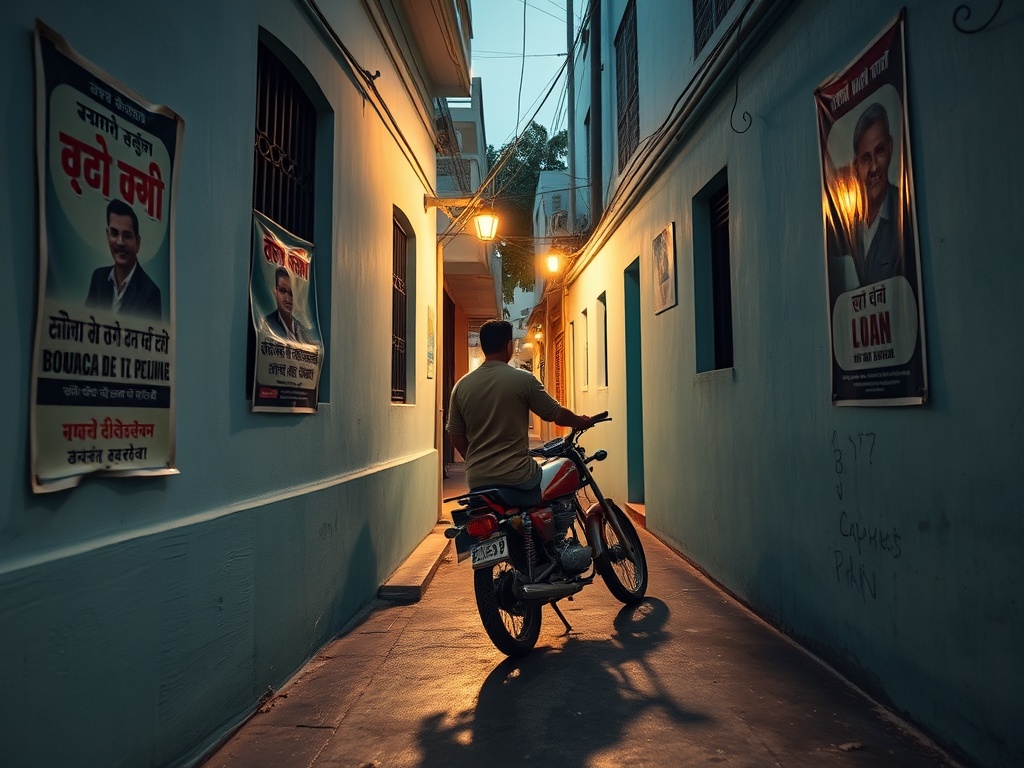
November 14th, 2025: Another Rally, Another Unanswered Question
The political calendar marks November 14th, 2025—another mass gathering, another celebration. But beneath the orchestrated displays of unity, a different conversation unfolds across kitchen tables and social media feeds. It's a conversation about what democracy means when institutions feel like facades, when leadership seems more invested in preservation than progress.
The critique cuts across party lines. Citizens observe that replacing one set of leaders with another might solve half the nation's problems, yet the fundamental structures remain unchanged. The bureaucracy, intended as the machinery of governance, often functions as an elaborate stage setting for political theater rather than effective administration.
Male', the densely packed capital, has become what one observer called a "flea experiment"—a pressure cooker where citizens battle daily challenges while political elites navigate a different reality. The intentional polarization between major parties obscures a simpler truth: the system isn't working fairly for ordinary Maldivians, regardless of which faction holds power.
There's particular disappointment in technical failures—projects mismanaged, costs unchecked—especially when leadership possesses the relevant expertise. The gap between professional training and administrative execution raises uncomfortable questions about priorities and oversight.
The centralization of power manifests in subtle but profound ways. Island communities hesitate to elect opposition representatives when their development budgets depend on central government approval. This structural imbalance ensures political conformity while stifling local voices.
Meanwhile, the specter of 2028 looms—the next electoral reckoning. Some already predict the same questions that haunted previous administrations: "What did I do wrong?" The concern isn't necessarily about corruption, but about leniency—about leaders surrounded by admiring voices who may become their harshest critics when circumstances change.
Development, as one voice noted, isn't about boasting or political showmanship. It emerges from vision, planning, sacrifice, and the courage of hardworking people. Yet the current political economy often rewards different virtues: loyalty, compliance, and the appearance of progress rather than its substance.
As the nation moves through another political cycle, the fundamental questions persist beneath the surface. Do those elected to serve genuinely love this country, or do they merely love the privileges of power? Are independent voices being systematically excluded from the conversation? And when the celebrations end, what remains for the people who must live with the consequences of political decisions?
The answers may determine whether Maldives evolves toward genuine democratic maturity or remains trapped in a cycle of disappointment—where each new administration inherits the same problems while creating new ones of its own.
— Source fragments: Maldives is not a democratic country even if the law states so; bureaucracy is a facade; toppling current leadership solves 50-60% of issues; leadership letting projects pass without checking; Male' as 'flea experiment'; political prostitutes get to eat their piece; wondering if elected officials secretly hate the country; independent candidates; development as vision and planning vs show-off; island budgets controlling political representation; 2028 reckoning questions; better to be alone than surrounded by admiring fools