NSPA's millions show our healthcare struggles
When I saw the NSPA numbers—21.8 million Rufiyaa spent just last month on medical assistance—I felt that familiar ache in my chest. That's not just statistics on a page; that's our grandmothers waiting months for specialists who never come, our neighbors pooling money for diabetes medication, our friends taking loans for heart surgeries in India because the treatment here simply doesn't exist.
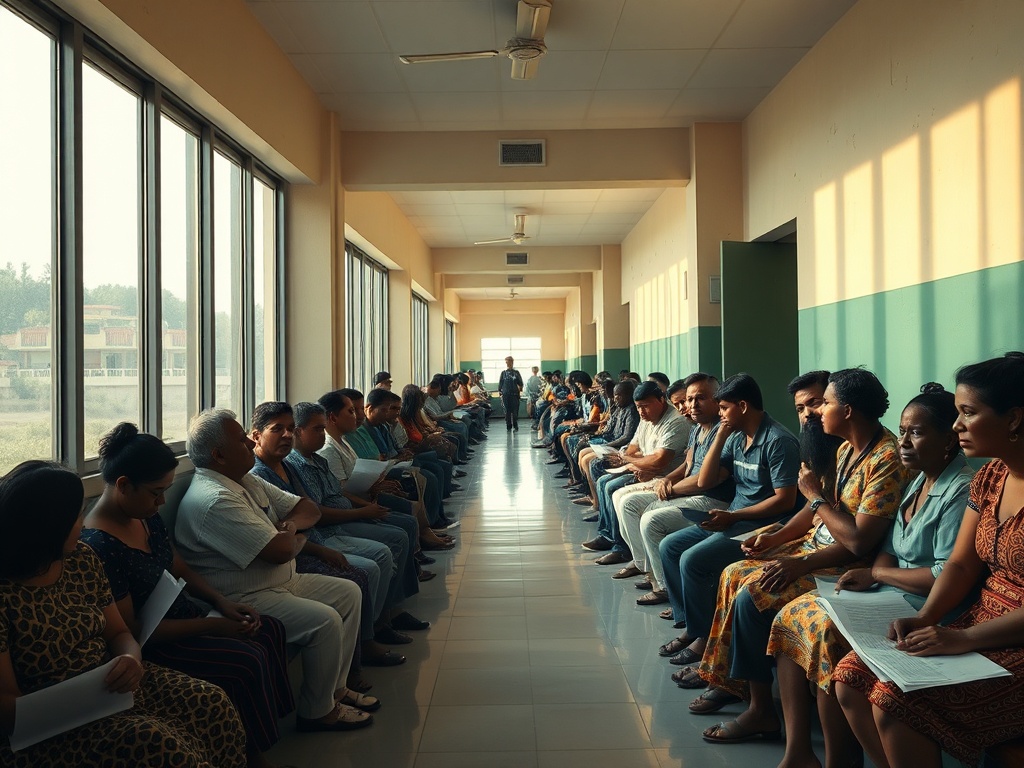
We've all stood in those hospital queues at IGMH, watching the ceiling fans spin slowly while people shift from foot to foot. We've seen the empty shelves where medicines should be, heard the same explanation: "Machang, we're waiting for the shipment." The fact that over 12 million went to local care tells me how many of us are trying to make do with what we have here, even when what we have isn't enough.
But what really hits home is the nearly 9 million spent on treatment abroad. That number represents families like mine—ordinary Maldivians who've had to sell property, borrow from relatives, or drain savings just to get basic medical care. My aunt traveled to Chennai last year for a procedure that should have been available here. We spent months coordinating, finding accommodation near the hospital, navigating foreign systems—all while worrying about the cost.
And it's not just the big treatments. The 25,640 Rufiyaa for food assistance for 698 people—that's people choosing between medicine and meals. In a country where tourism brings billions, our neighbors are going hungry while sick.
The hearing aids and BiPAP machines matter too. My grandfather's hearing aid came through NSPA last year. Without it, he'd be completely isolated in his own home, unable to hear his grandchildren's voices. These devices aren't luxuries; they're what keep people connected to life.
What these numbers really show is how much we're struggling beneath the surface. While resorts expand and new buildings rise in Malé, our basic human needs—health, dignity, care—are being propped up by government assistance because the system itself can't hold us. We're grateful for the help, but we shouldn't need this much help.
Maybe these millions are a temporary bridge, but we need to build something permanent. Something that doesn't require our people to become statistics in monthly reports, but can live healthy lives in the islands we call home.