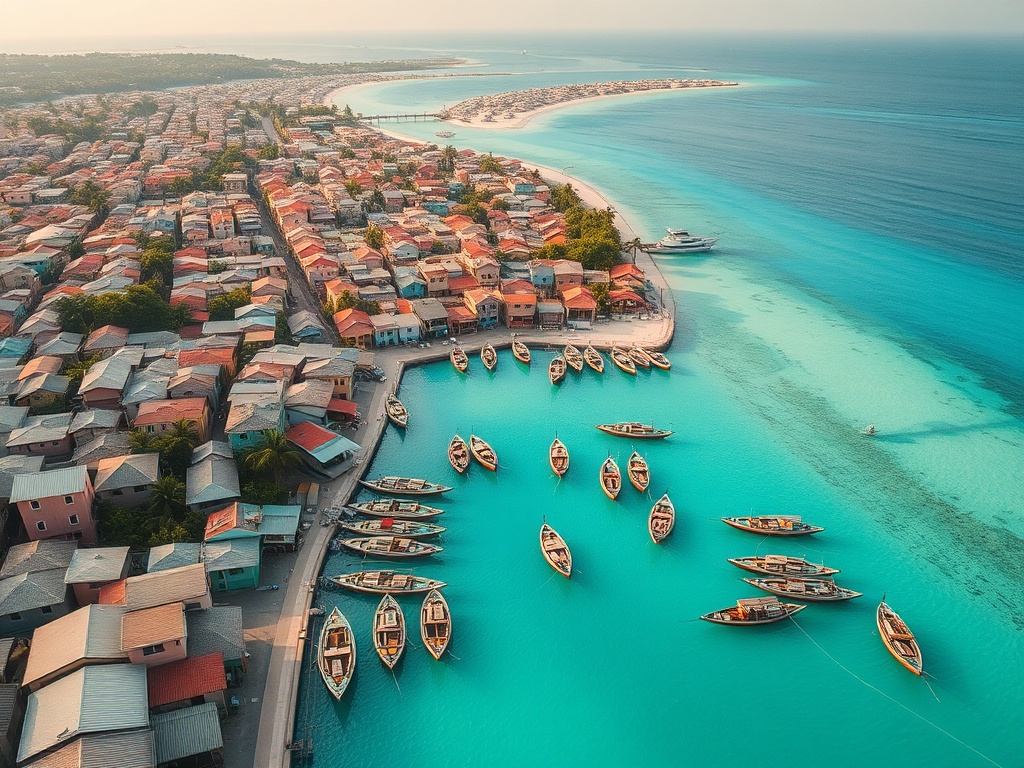
One Island, Every Maldivian's Hope, Crumbling Under Our Feet
The transformation has been gradual but undeniable. What was once a vibrant island community has become something else entirely—a congested urban center straining under the weight of a nation's expectations. The debate about Malé's identity crisis is no longer academic; it has become a matter of daily survival for its residents.
Critics argue that the concentration of government services, economic opportunities, and essential infrastructure in Malé represents a fundamental planning failure. The very-cumming development approach—constantly adding to Malé's burden rather than distributing growth—has created what many see as an unsustainable model. The argument for moving key government functions to Laamu, as once proposed, gains renewed relevance as congestion worsens.
The heart of the issue lies in the tension between centralized control and distributed development. While Hulhumalé was conceived as a relief valve for Malé's population pressure, many see it as merely an extension of the same centralized model rather than true decentralization. The corporate governance structure of Hulhumalé development raises questions about accountability and democratic representation that don't apply to traditionally governed islands.
The economic argument against extreme centralization is compelling. Maintaining basic infrastructure across 200 communities represents a recurring cost that strains national resources. Yet the alternative—forcing migration to an already overcrowded capital—creates its own problems, including housing shortages, transportation gridlock, and the conversion of potential community spaces into parking lots and garages.
Technologically, decentralization is more feasible than ever. Digital governance tools, remote service delivery, and distributed infrastructure could enable a more balanced development approach. The obstacle isn't technical capability but political will—specifically, the economic incentives that keep power and resources concentrated. The perception that governments benefit from centralized banking and lending arrangements creates a powerful disincentive for meaningful decentralization.
The human cost of this centralization is measured in crowded living conditions, the stress of long commutes, and the loss of community identity. People are effectively forced into migration patterns that prioritize economic survival over quality of life, trading dignified living spaces for congested alternatives.
What emerges from this conversation is a vision of the Maldives at a crossroads. The choice isn't between development and preservation but between different models of development—one that continues to pile pressure on a single point until it breaks, versus one that distributes opportunity, infrastructure, and governance across the archipelago. The technology exists, the economic arguments are clear, and the human need is undeniable. What remains to be seen is whether the political will can be summoned to build a more balanced future.
— Source fragments: Centralization criticism, Malé identity loss, governance issues in Hulhumalé, economic sustainability concerns, housing congestion, decentralization advocacy