Our authorities fail to protect the Maldives
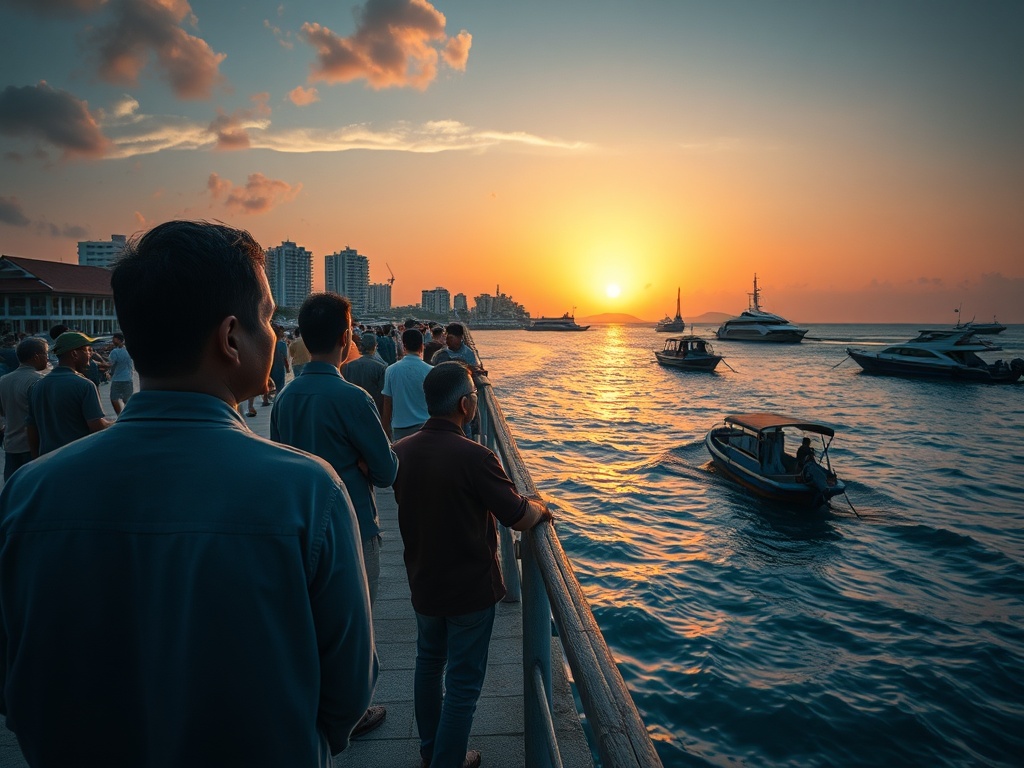
There's a quiet conversation happening across Malé's coffee shops and ferry docks, a collective sigh of resignation that's become familiar. We watch other island nations navigate their challenges while we seem stuck in a cycle of empty boasts and slow motion progress. The feeling isn't just about politics—it's about national pride slowly eroding, about watching opportunities slip through our fingers while our leaders talk rather than act.
When Sri Lanka, which faced genuine economic collapse, can rebuild with creative marketing and fiscal discipline, it makes you wonder what's holding us back. We have the beaches, the culture, the potential, yet our story isn't being told effectively to the world. The marketing isn't just about tourism posters—it's about how we present ourselves globally, how we protect our interests when larger nations come knocking. There's a sense that we're being outmaneuvered not because we lack resources, but because we lack strategic vision.
The turtle's pace comparison stings because it feels true. We see infrastructure projects drag on for years, hear grand announcements that never materialize into tangible improvements for ordinary Maldivians. Meanwhile, the cost of living keeps rising in Malé, making that stagnation feel even more painful. People aren't asking for miracles—just competent governance that matches our ambitions with actual execution. The gap between what we could be and what we are grows wider, and with it, the public's patience wears thin.
What's particularly telling is how this sentiment cuts across usual political divisions. Whether you're a fisherman worried about foreign vessels in our waters or a young graduate looking for opportunities, there's shared concern about whether our institutions can actually protect Maldivian interests. The vulnerability isn't just economic—it's about sovereignty, about having a voice that matters in regional affairs. When multiple countries take advantage, as one voice noted, it suggests a pattern we need to confront honestly.
Yet within this frustration lies a stubborn hope—the belief that we're capable of more. The criticism comes from a place of caring, from people who want to see the Maldives stand tall rather than settle for being outpaced. The question hanging over our islands isn't whether we have potential, but whether we have the will to match our capabilities with coherent action and genuine protection of what makes us unique in this crowded world.