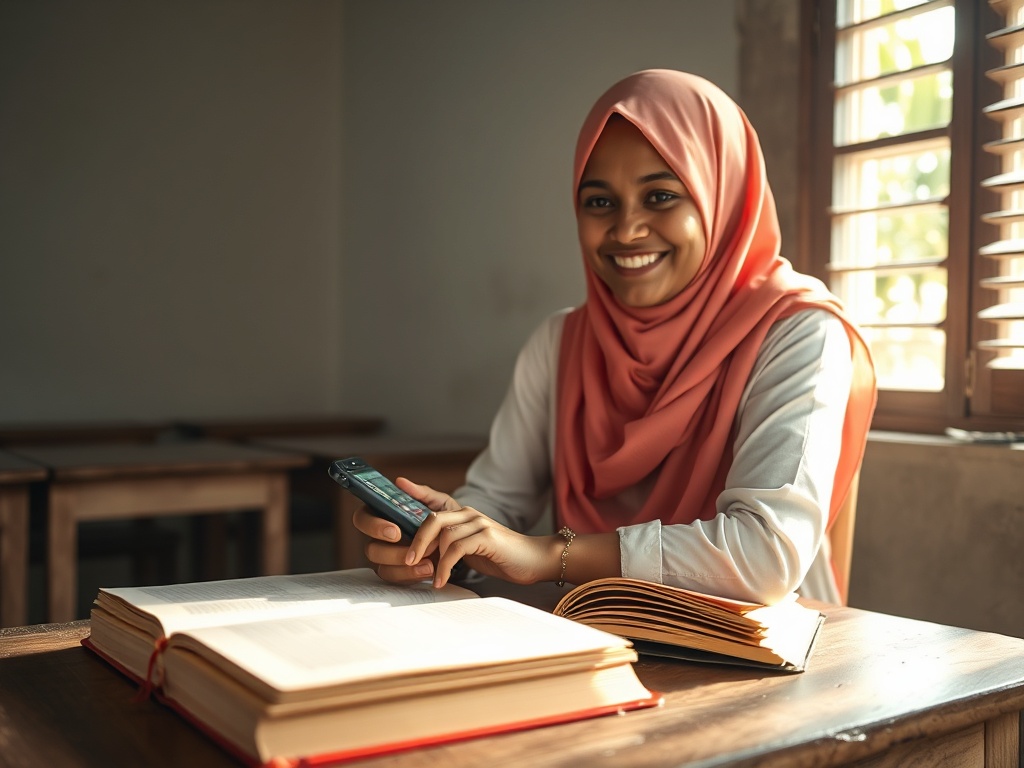
Our Children Are Learning in a World That No Longer Exists
The textbooks are heavy, their pages filled with diagrams of systems and facts that feel like artifacts from another time. In a classroom in Malé, a teacher looks at the faces of her students, their eyes often brighter when they talk about a video they saw online or a project they built with friends than when reciting a rote lesson. The official curriculum, designed a decade or more ago, moves with the slow, deliberate pace of a government ministry. Meanwhile, the world these children inhabit—a world of global media, instant information, and complex social challenges—moves at the speed of a fiber-optic cable. They learn about climate change from international news, about economics from hearing their parents discuss the rising cost of living, and about social dynamics from the intricate networks of their peers. The school bell rings, marking the end of a lesson on history, but the real education continues the moment they step outside, into the crowded streets where the future is already happening. It’s not that the old knowledge is worthless, but it is being buried under the sheer weight and immediacy of the new. The challenge is not just to add new subjects, but to fundamentally rethink the purpose of school itself—to shift from being a warehouse of outdated information to becoming a workshop for building the skills needed to navigate a future of currency shortages, political shifts, and global connection. The resilience and adaptability our children are already teaching themselves must become the core of what we formally teach them.