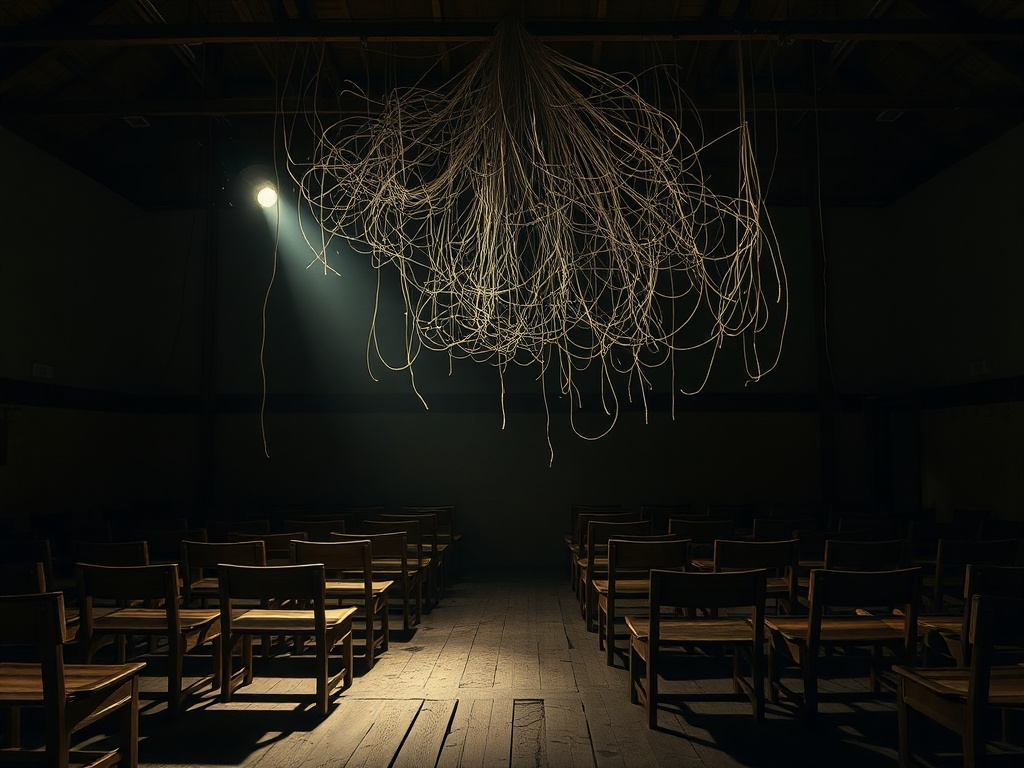
Our Default Assumption: Everything Is Staged
In the digital age where information floods our screens faster than we can process it, a new public skepticism has taken root. The default assumption that events are staged, that footage is selectively edited, and that powerful forces manipulate narratives from behind the curtain reflects a fundamental breakdown in trust. This isn't just casual cynicism; it's a worldview where nothing is as it seems, and every tragedy potentially conceals a hidden agenda.
The phenomenon cuts across societies, including small nations navigating complex geopolitical currents. When citizens begin to question whether disasters are genuine or manufactured, whether leaders are authentic or controlled, the very foundation of public discourse weakens. This skepticism often emerges in places where people have witnessed real manipulation—where political narratives have been carefully crafted, where economic decisions benefit the few, and where transparency feels like an illusion.
In island nations facing rapid modernization, this distrust finds fertile ground. When development promises clash with lived realities—when natural resources are discussed in abstract terms while communities struggle with basic needs—people understandably question whose interests are being served. The gap between official narratives and daily experience creates space for alternative explanations, some reasonable, others veering into conspiracy.
The 'false flag' mentality represents more than just suspicion; it's a coping mechanism for powerlessness. When people feel they cannot influence the systems that govern their lives, imagining hidden puppeteers provides both explanation and emotional relief. It transforms random misfortune into intentional design, giving chaos a face and name, even if that face remains shadowy.
This erosion of trust has tangible consequences. It paralyzes policy debates, undermines collective action, and fragments communities into those who 'see the truth' and those who are 'duped.' The real tragedy isn't just the specific theories that circulate, but the underlying conditions that make them plausible—the documented instances of corruption, the unkept promises, the feeling that the system serves interests other than the public good.
Rebuilding trust requires more than fact-checking individual claims. It demands institutions that operate with transparency, leaders who acknowledge past failures, and media that earns credibility through consistent, honest reporting. Without these foundations, the stage remains set for suspicion to flourish, and the audience grows increasingly convinced they're watching a performance rather than participating in a democracy.
— Source fragments: Fragments about false flags, controlled opposition, staged events, and systemic distrust were synthesized into the theme of eroded institutional trust. References to selective footage and hidden control were integrated as examples of public skepticism.