Our education model is outdated and irrelevant
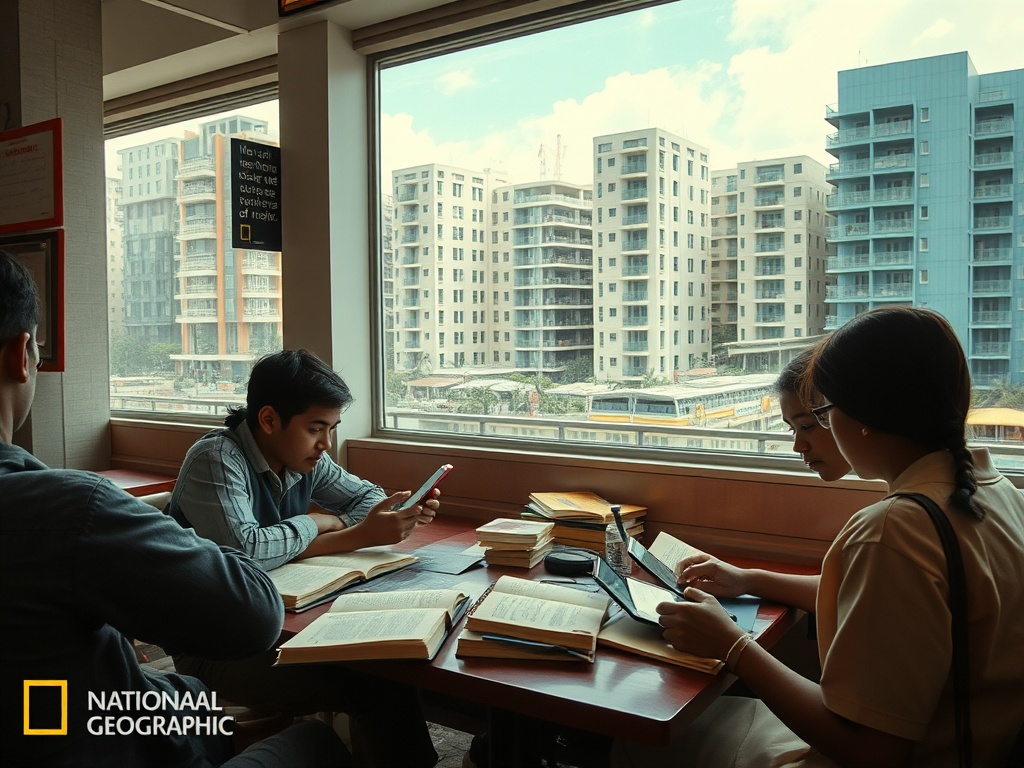
I was sitting in a Maldivian café near Majeedhee Magu, watching university students hunched over textbooks filled with diagrams that felt like relics from another era. Their faces showed the strain of memorizing information that was already fading into irrelevance even as they prepared for final exams. This is the reality across our islands—from Malé to the farthest atolls—where our education system remains trapped in a cycle that no longer serves our youth.
Your point about fiber optics being state-of-the-art twenty years ago hits home here. I remember when ADSL finally reached our islands, it felt like a revolution. Now we have 5G towers rising along the Malé skyline, and yet our classrooms still teach networking principles that predate the smartphones in every student's pocket. The pace of change has accelerated so dramatically that what we certify as 'knowledge' becomes historical artifact by graduation day.
In Maldivian households, we see this disconnect daily. Parents sacrifice fishing income or government jobs to pay for degrees that promise secure futures, only to watch their children graduate with skills that employers no longer value. The tourism industry—our economic backbone—now demands digital marketing, data analytics, and AI-driven customer service, yet our universities still emphasize memorization over adaptation.
Your mention of Encyclopaedia Britannica resonates deeply. I recall the heavy volumes in our school libraries, the pride we felt having access to such knowledge. Today, that same information is instantly available on any smartphone, constantly updated and far more comprehensive. Yet we continue to test students on static facts rather than teaching them how to navigate, evaluate, and contribute to this living body of knowledge.
The fear you describe—graduates depending on outdated knowledge for their entire careers—is particularly acute in our small island nation. With limited job mobility and high youth unemployment, a wrong educational foundation can trap someone for decades. I've met tourism managers who learned customer service techniques from 1990s textbooks, IT professionals trained on software versions no longer in use, and accountants applying tax regulations that were amended years ago.
Your proposed model of self-learning with certification based on demonstrable ability aligns perfectly with Maldivian pragmatism. We've always valued practical skills—whether navigating dhoni boats through changing currents or adapting fishing techniques to shifting migration patterns. This instinct for continuous learning served us well for centuries, and we need to rediscover it in our modern context.
Imagine if our education system embraced this approach: students proving their coding skills by building actual applications for local businesses, demonstrating marketing expertise through real campaigns for guesthouses, or showing environmental knowledge by contributing to coral restoration projects. The certification would come not from memorized answers but from visible impact.
This shift would honor our Maldivian tradition of learning through doing while preparing our youth for a world where knowledge evolves faster than any curriculum can capture. We need to stop treating education as a finite destination and start seeing it as the continuous journey it has always been in island life—where each generation builds upon what came before, not by repeating it, but by improving it.