Our Family Names Are More Than Just Numbers
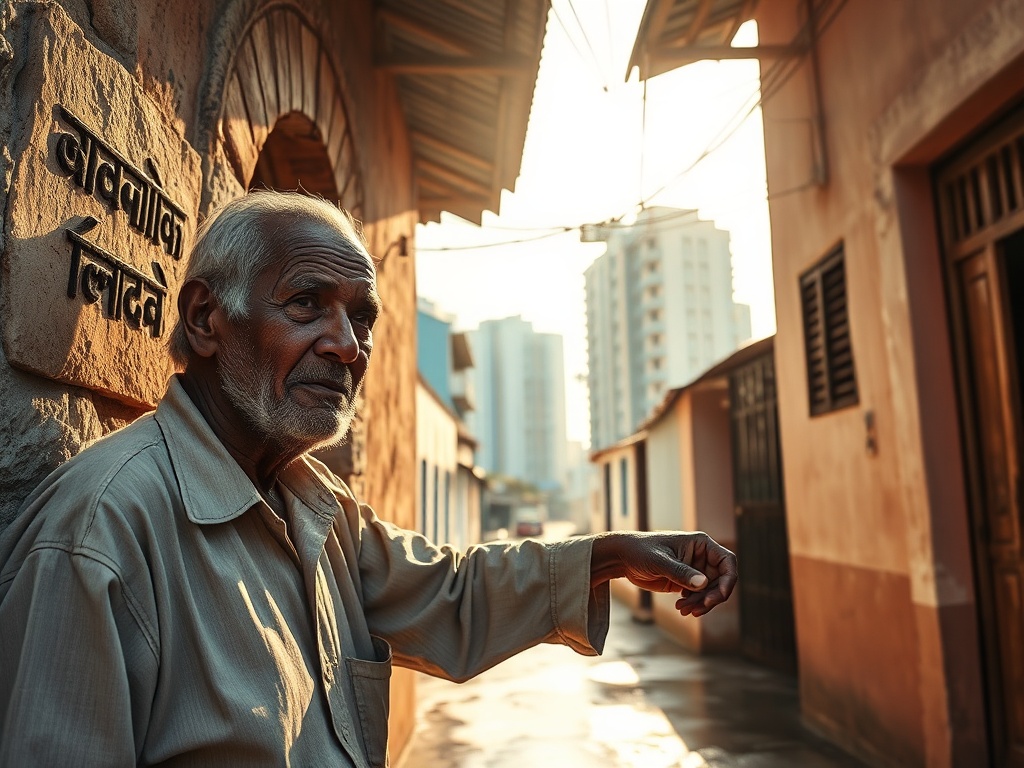
Walking through the narrow streets of Malé's older neighborhoods, you can still find traces of what we've lost. The coral stone houses with their carved names—'Huraage,' 'Dhon Manik,' 'Maafannuge'—weren't just addresses. They were living stories, each name carrying generations of history, occupation, and island identity. These names told you where a family came from, what they did, who they were in our tightly woven social fabric. Today, we live in concrete towers where our identity has been reduced to Flat 4B, Block 7, a number in a system that sees us as units rather than lineages.
This shift from names to numbers represents something deeper than urban planning. It reflects how we're losing touch with being one of the world's oldest continuous civilizations. For over 2,500 years, our ancestors maintained distinct family identities through naming traditions that connected us to specific islands, trades, and social roles. A person's full name would tell you their island of origin, their family profession, their ancestral home—all woven into our Dhivehi language that remains uniquely ours. In our homogeneous society where we can spot another Maldivian from across an airport, these subtle distinctions mattered profoundly.
Now, compressed into these numbered flats where 40% of our population lives on less than two square kilometers, we're becoming anonymous even to ourselves. The young generation grows up knowing they're from Malé, but not which part of Malé, not which family tradition, not which house name carried through generations. We're trading cultural legacy for convenience, historical relevance for modern efficiency. Yet in foreign countries, we still recognize each other instantly—that shared look, that familiar cadence of speech, that unspoken understanding of being Maldivian.
Perhaps the solution lies not in rejecting modernity but in reviving tradition within it. What if we started naming our apartment buildings after old family houses? What if we taught our children the stories behind our family names? In a nation facing so many immediate concerns—unemployment, housing shortages, cost of living—preserving our cultural identity might seem secondary. But it's precisely during times of change that we need these anchors to who we are.
Our family names and house traditions are the living memory of our islands. They connect us not just to our ancestors but to each other, reminding us that we're part of something enduring in this rapidly changing world. The numbers on our doors might tell people where we live, but our names tell them who we are.