Our parents had land to live on
I remember my grandfather’s hands, dark from the sun, turning soil in our family’s yam patch on the island. When he lost his job on a cargo boat, he didn’t panic. He just worked the land harder. We ate what we grew. The earth was our bank, our pantry, our fallback. That security felt as certain as the monsoon rains.
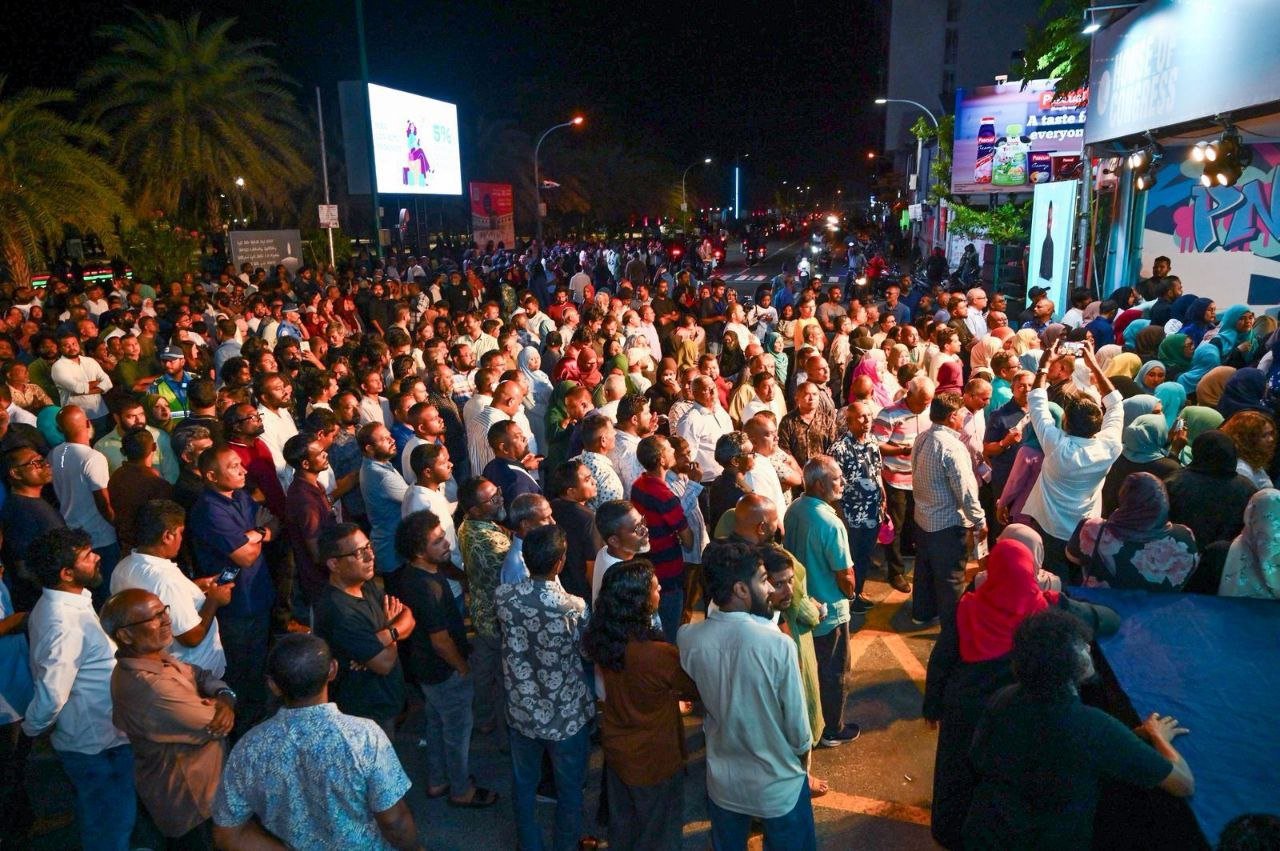
Now, I stand in a queue for a government job application in Malé, my papers damp with sweat. Around me, young men and women shuffle in the heat, all of us hoping for the same scarce thing. Our parents had land. We have application forms. They had yam plantations; we have the hope of a monthly salary that vanishes the moment it hits our accounts, swallowed by rent and rice prices. The safety net has been pulled away, replaced by political promises that feel like air.
They talk about development, about foreign relations and national debt. I hear the speeches on the radio sometimes, the earnest voices discussing geopolitics and immigration policies in countries far away. It feels ridiculous, a diversion from what’s right here: the simple, crushing fact that we cannot grow our own food anymore. We cannot step outside and dig when times get hard. The land that once fed us is now a bargaining chip in elections, handed out to win votes, while we cram into concrete apartments we can barely afford.
Sometimes I walk past the harbor at dusk, watching the fishing boats come in. The fishermen still work, like my father did. But their sons are here with me in this queue, hoping for a desk job because the sea doesn’t pay like it used to. There’s a quiet understanding between us—a shared loss we don’t often speak of. We’re the generation with nothing to fall back on, nothing to plant when the world gets rough.
And yet, we keep going. We joke about the ‘bloated ministries’ and the ‘subsidized flats’ given to relatives of powerful people. We laugh because what else can we do? The irony isn’t lost on us: the more they promise, the less we seem to have. But in our laughter, there’s a stubborn thread of hope. Maybe not for land again, but for something solid to stand on—a life built on more than just waiting.