Our schools teach what's already outdated
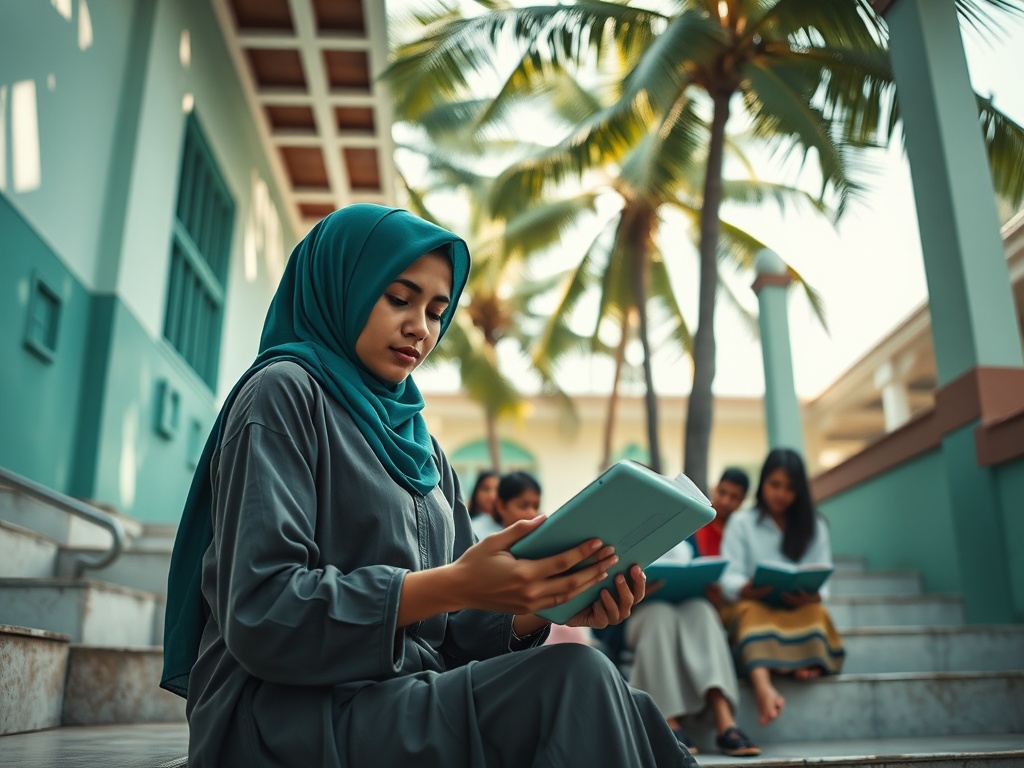
Walking through the narrow streets of Malé after school hours, you see it everywhere—groups of students huddled around smartphones, sharing videos, debating global trends, learning coding from online tutorials. Meanwhile, their schoolbags carry textbooks that feel like relics from another era, filled with information that was relevant when their parents were young.
In our islands, education has become a race against time itself. We're teaching our children knowledge that was cutting-edge ten or twenty years ago, but by the time they complete their O'Levels or A'Levels, that knowledge has often become obsolete. The world moves faster than our curriculum committees can possibly keep up with. What's the value of memorizing facts that any smartphone can retrieve instantly? Why are we prioritizing rote learning over critical thinking, creativity, and adaptability?
The reality is stark: our children are learning more from YouTube tutorials, social media discussions, and peer networks than from their formal classroom instruction. They're developing digital literacy, global awareness, and practical skills through platforms that our education system barely acknowledges. While schools focus on dated examination formats, students are teaching themselves graphic design, video editing, entrepreneurship, and even ethical reasoning through online communities.
This isn't about blaming teachers—many of whom work tirelessly with limited resources. It's about recognizing that our entire approach to education needs radical rethinking. In a country where youth unemployment hovers around 30%, we're preparing students for jobs that may not exist by the time they enter the workforce. We're teaching them to be passive recipients of information rather than active creators of knowledge.
Imagine instead if our schools became hubs of innovation, where students worked on solving real Maldivian problems—from sustainable fishing practices to digital tourism solutions, from preserving our language and culture to addressing environmental challenges. What if assessment measured practical application rather than memorization? What if learning happened through projects that mattered to our communities?
The sea that surrounds us teaches constant adaptation—tides change, currents shift, weather transforms. Our education system needs that same flexibility. We need curriculum that evolves with our times, that prepares children not just for exams, but for life in a rapidly changing world. The knowledge they carry should be useful luggage for their journey forward, not excess baggage holding them back.