Our sovereignty is not for sale
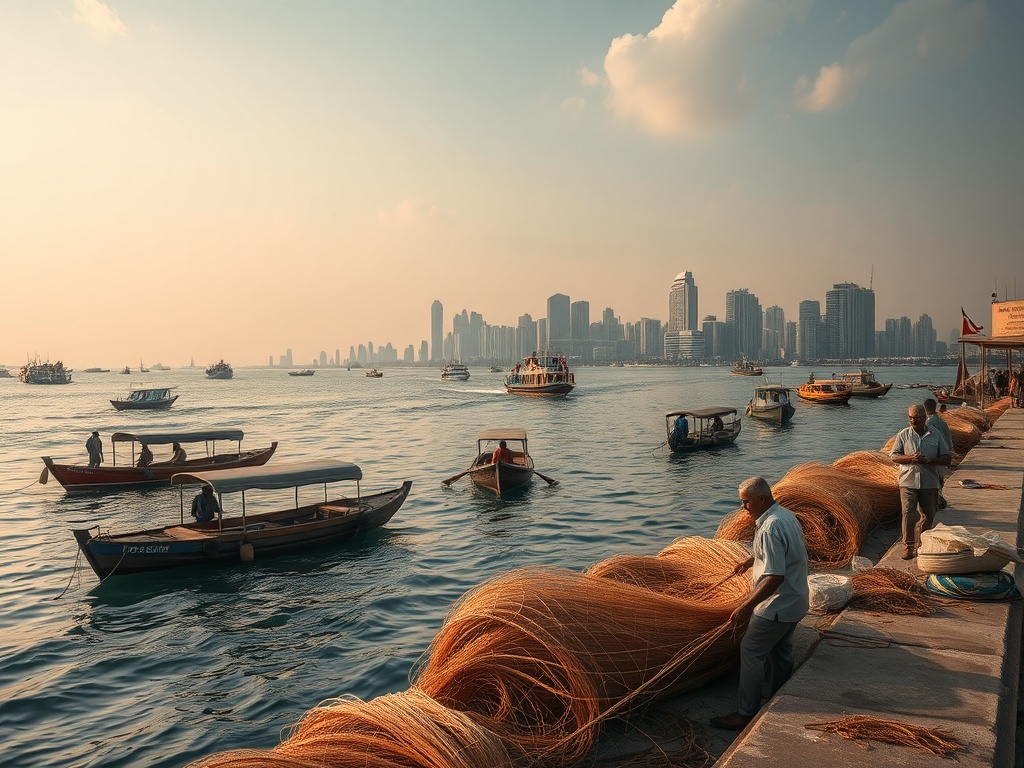
When I stand on the seawall in Malé, watching the dhoni boats navigate the channel, I feel the weight of our history in the salt air. For over two thousand years, we have governed these waters ourselves—no foreign flag ever flew over our islands, no colonial power dictated our laws. This isn't just historical fact; it's woven into our identity, into the way we speak Dhivehi with no borrowed colonial accent, into the confidence with which we've managed our own affairs across centuries.
That's why the foreign military presence feels like a tear in our national fabric. It's not about political parties or election rhetoric—it's about something deeper, something that resonates in every island from Haa Alif to Addu. When we see foreign military aircraft at our airports or foreign vessels in our territorial waters, it doesn't feel like cooperation; it feels like a violation of the sovereignty our ancestors protected through storms and foreign expeditions alike.
Our young people feel this contradiction acutely. They study our history in school—how we maintained independence when larger nations fell to colonial powers—then look at current realities and wonder what changed. The economic arguments for foreign partnerships don't erase the fundamental question: why, after 2,500 years of self-rule, do we need foreign troops on our soil? Our fishermen navigate these seas without foreign guidance, our communities govern themselves through island councils, our people have always found Maldivian solutions to Maldivian challenges.
This isn't about rejecting international friendship or cooperation. We've always traded with the world, welcomed visitors, sent our students abroad for education. But there's a difference between partnership and presence, between cooperation and occupation. The current arrangement crosses that line for many of us who remember when our security was entirely in Maldivian hands.
As the government formally requests the withdrawal of foreign military forces, I see this not as a political maneuver but as the reassertion of a fundamental truth: our sovereignty was never for sale or lease. It's the inheritance of every Maldivian child, the foundation upon which we've built our unique civilization in the middle of the Indian Ocean. Protecting it isn't just policy—it's our duty to those who came before us and our promise to those who will follow.