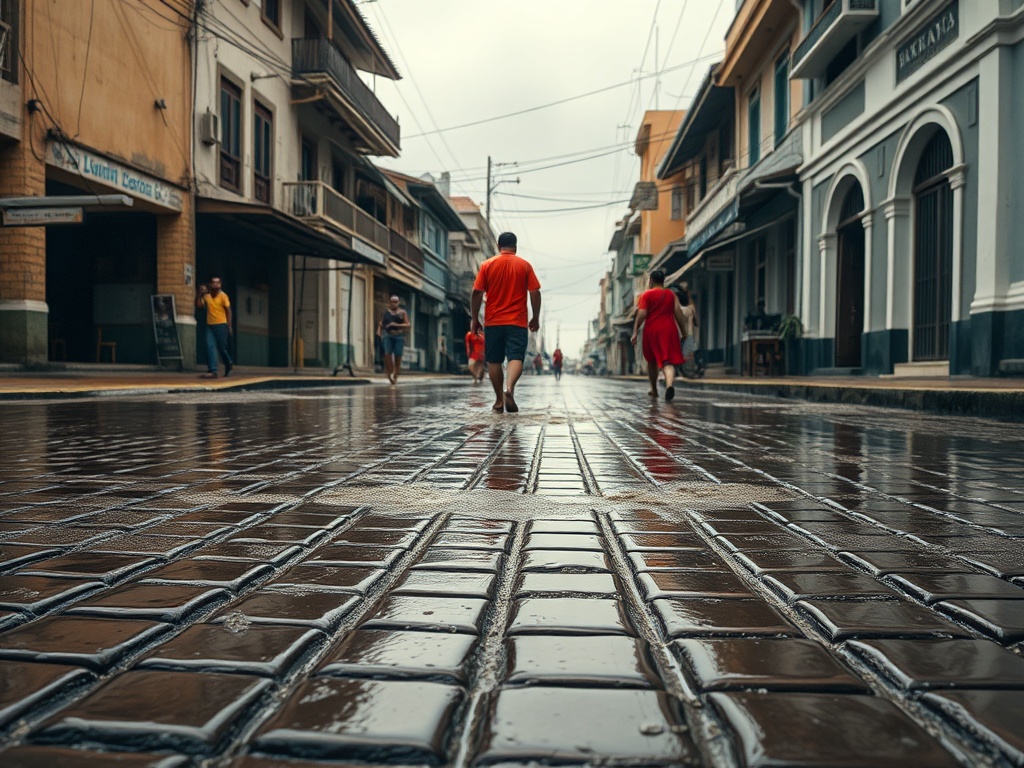
Our streets are worse than before
I was walking home yesterday when the rain started, that sudden Malé downpour that turns everything gray and slick. The water pooled in the uneven patches between the bricks, turning the sandy filler into a gritty paste that splashed up my ankles. This is the street I've walked for twenty years, the same route to work, to the mosque, to buy bread in the morning. I know every crack and dip by heart.
They came two weeks ago with trucks of sand, men working through the night to fill the gaps. For a day, it looked smooth, almost new. But we who live here know better. We've seen this before—the quick fix that doesn't last, the solution that becomes the next problem. Now the sand washes away with each rain, leaving deeper hollows, more uneven surfaces. The streets feel less solid, like the ground itself is losing patience.
What does it say about us, that we accept this cycle? We watch the work being done, knowing it won't hold, knowing we'll be complaining about the same spots in a month. There's a tiredness in our voices when we talk about it at the tea shop. Not anger anymore, just resignation. We've grown accustomed to things being temporarily repaired, temporarily better, before settling back into their broken state.
Maybe the streets are a mirror for something deeper in our lives here—this constant patching of problems without ever addressing what's underneath. We keep walking the same paths, navigating the same obstacles, making do with what we have. The rain will come again tomorrow, and the sand will wash away again, and we'll still walk these streets because they're ours, because this is home, in all its imperfect, familiar brokenness.