Our welfare state killed our will to work
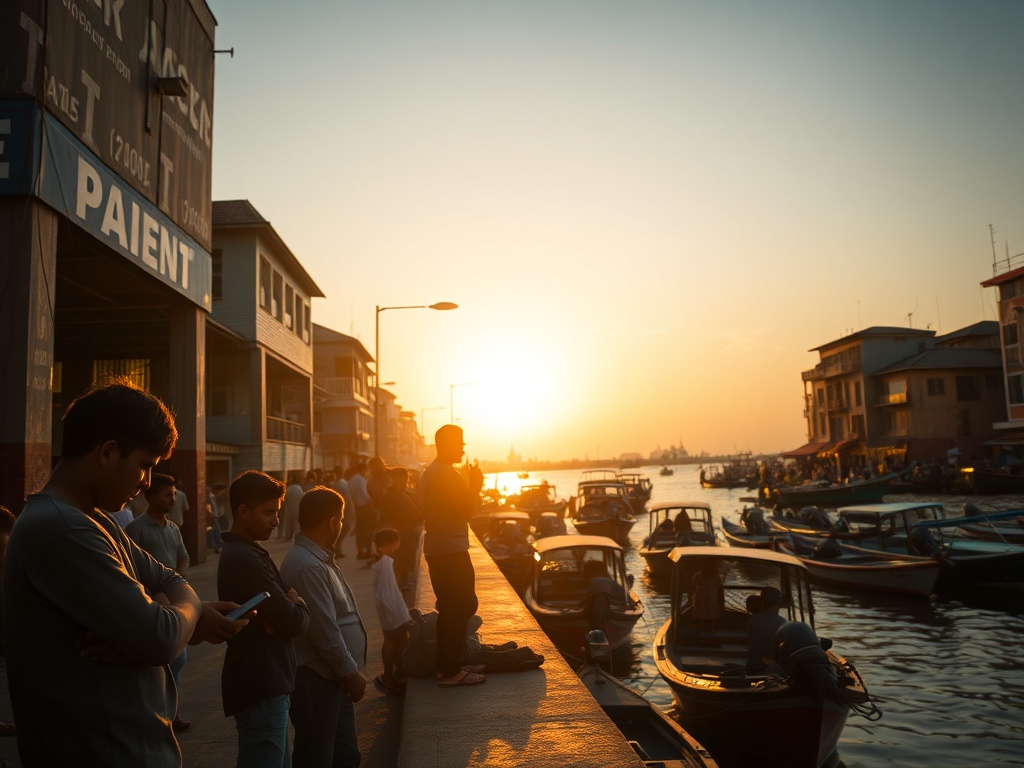
I remember when my uncle used to wake before fajr to prepare his fishing boat. His hands were rough from handling nets, his back bent from years of hauling catch. He took pride in what he built—not just his livelihood, but his dignity. Today, his son waits for a government transfer, checking his phone for the monthly allowance that requires nothing but his voter ID. That shift—from building to waiting—is what's killing us.
We've created a system where political loyalty is the only qualification that matters. Young graduates sit idle for years while party activists with tenth-grade education get appointed as 'special advisors' drawing salaries higher than doctors. In every ministry, there are duplicate positions created not for work, but for patronage. The electricity subsidy that was meant to help poor families now also covers the beachfront villas of politicians' relatives. The Aasandha healthcare system, meant to be our safety net, is milked dry by private clinics submitting fake bills for services never rendered.
What's most painful is how we've normalized this. When your cousin gets a no-show job at a state-owned enterprise, you celebrate their 'good fortune.' When the other party does the same, you call it corruption. We've lost our moral compass somewhere between the political rallies and the bank transfers. The same people who complain about Indian military presence have no problem taking Chinese infrastructure deals that benefit only the connected few.
Look at our islands now—the drug problem isn't just about substances. It's about young people with no purpose, no jobs, no belief that hard work matters anymore. Why struggle when you can join a party youth wing and get a monthly stipend? Why start a business when you know contracts go to those with the right connections? The guesthouse tourism that was supposed to create local entrepreneurship has become another patronage network where licenses go to those who know ministers.
Our grandparents built this nation through monsoons and scarcity. They fished through storms, built mosques with coral stone, and maintained our sovereignty for centuries. Now we're squandering that legacy for temporary political advantage. The Indian military presence bothers us, but what about the enemy within—this culture of entitlement that's rotting our society from the inside?
Yet I still see glimmers of hope—the teacher in Raa Atoll who buys school supplies from her own salary, the fisherman in Gaafu Dhaalu who still goes out even when the subsidy would feed his family, the young tech graduates creating apps despite the system. Maybe our salvation lies not in waiting for politicians to change, but in reclaiming the dignity of work ourselves. The sea that surrounds us has sustained Maldivians for generations not through handouts, but through the courage to venture into deep waters and return with sustenance. Perhaps we need to rediscover that courage in ourselves.