Over 7,000 Being Treated for Type 2 Diabetes as HPA Warns of Lifestyle-Linked Crisis
More than 7,000 people in the Maldives are being treated for diabetes, and this is the third most common cause of death, HPA said last night.
In a statement issued in connection with World Diabetes Day marked today, it said that non-communicable diseases are a major challenge facing the Maldives' health system.
About 85 percent of people die from non-communicable diseases, and of those, the third highest number of deaths are from diabetes, the agency also said.
Referring to information gathered from hospitals, HPA said that as of 30 October this year, a large number of people in the Maldives are seeking treatment for various types of diabetes.
Statistics released by HPA show 300 people with Type 1 diabetes, 7,000 people with Type 2 diabetes, and about 250 people a year treated for high blood sugar during pregnancy.
Type 1 diabetes is diabetes that occurs when the body does not produce the amount of insulin it needs. And Type 2 diabetes occurs when, even though the body produces insulin, the body becomes too fat, weight exceeds the level it should be, and activity is reduced, so the insulin produced by the body cannot be used.
HPA said it is a disease that can occur at any stage, depending on lifestyle.
Things that can be done to stay safe include consuming healthy food and drinks; being mindful of meal times and the amount eaten; being active and exercising regularly; maintaining body weight (BMI) at a healthy level; not using tobacco and protecting oneself from tobacco smoke; and getting tested from time to time and especially if any symptom of diabetes is seen, or if a family member is in a situation that makes them susceptible to the disease.
However, 35.6 percent of men and 7.6 percent of women use tobacco, according to the STEPS survey.
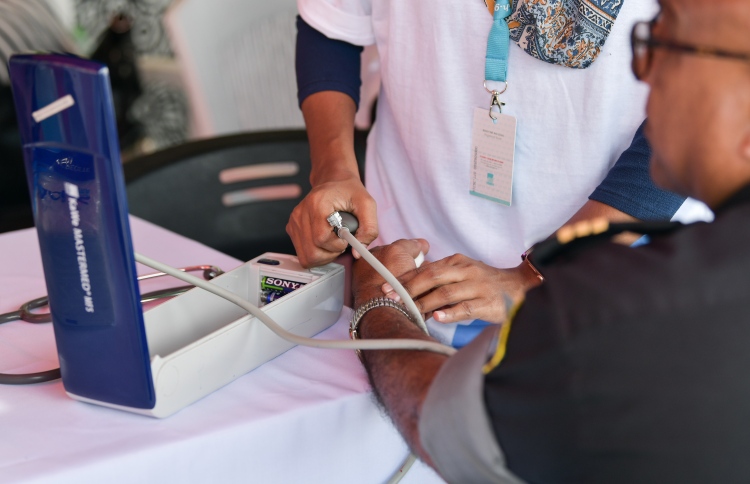
HPA said that to overcome these challenges, under the "National Multisectoral Action Plan 2023-2031," much work is being done to strengthen the system for protecting against diabetes, detecting the disease early, and providing treatment for the disease. It also said that among these, screening carried out through primary health care services to check whether the disease is present will be further strengthened, making it possible to identify people at risk of the disease and to detect early that the disease has been contracted.
To mark Diabetes Day, the introduction of a 'Diabetes Management Protocol' and a special walking event across the whole Maldives have been arranged.