Overtime Hours That Finally Count as Work
The sea teaches us patience—that change comes not in crashing waves but in the gradual turning of tides. Lately, I've been noticing these small shifts in conversations across our islands, in the way people speak about the ordinary becoming extraordinary.
There's talk of overtime finally counting for what it is—work done after hours, when the sun has dipped below the horizon and the call to prayer has faded. For fishermen who mend nets by moonlight, for teachers grading papers while their families sleep, this recognition feels like dignity returned. It's not about grand political statements but about the value of labor, the respect for time given beyond what's expected.
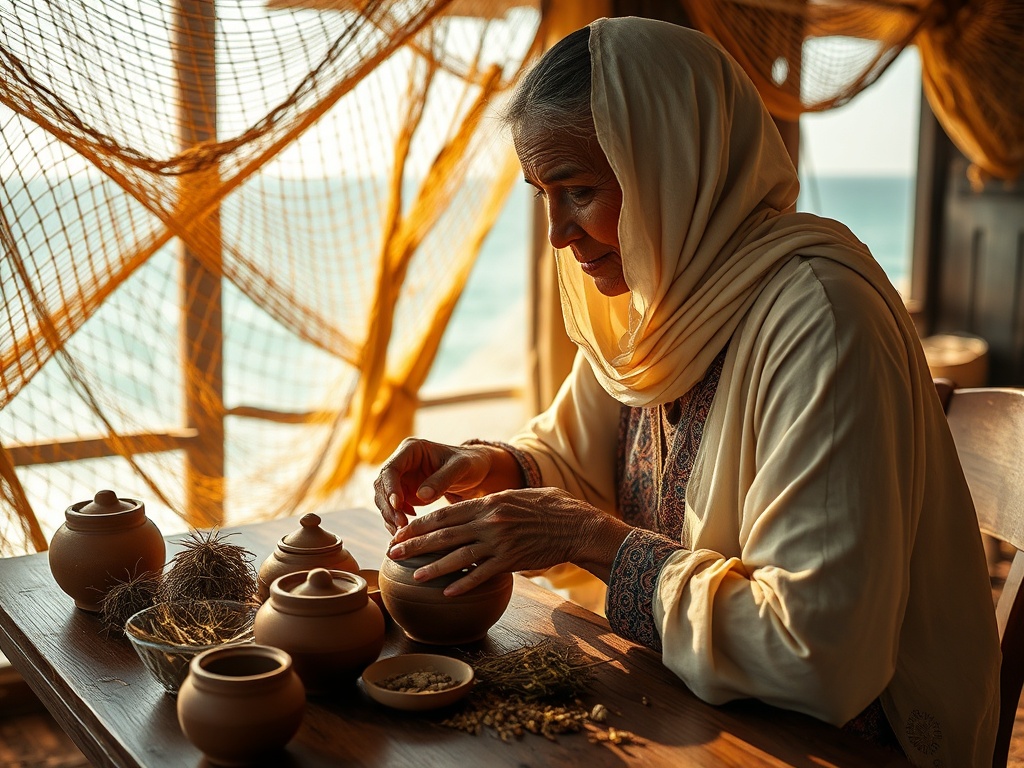
My grandmother would have appreciated this. She knew the value of things done properly, in their own time. I remember watching her prepare Dhivehi Beys, her hands moving with practiced grace over mortar and pestle. The scent of dried fish and coconut oil would fill our small Malé home, and somehow, my childhood anxieties would ease along with my skin irritations. Traditional healing isn't just about physical remedies—it's about the comfort of continuity, the knowledge that some wisdom transcends generations.
This same forward-thinking spirit appears in our bold move against smoking—becoming the first nation to ban it for an entire generation. Walking through the narrow streets now, I imagine future children who'll never know the scent of tobacco mixing with sea salt. It's a quiet revolution happening not with protests but with policy, protecting lungs before they ever take their first drag.
Meanwhile, the conversation about diversifying our economy continues like the steady rhythm of dhoni engines. Tourism will always be our lifeblood, but the ocean has many currents. There's talk of other industries waiting to be born, of potential lying dormant like undiscovered reefs. And through it all runs the thread of fairness—that everyone deserves equal footing, whether on land or in opportunity.
These aren't dramatic transformations but subtle realignments, like the gradual shift from monsoon to dry season. They happen in overtime calculations, in herbal remedies passed down, in policies that look decades ahead, in economic conversations that imagine new possibilities. They're the small revolutions that truly change a society—not with fanfare, but with the quiet certainty of sunrise over the Indian Ocean.
— Source fragments: overtime means work done after and over regular time; diversifying the economy is a must; My grandma fixed my school anxiety and scalp eczema with Dhivehi Beys; Maldives Becomes World's First To Ban Smoking For An Entire Generation