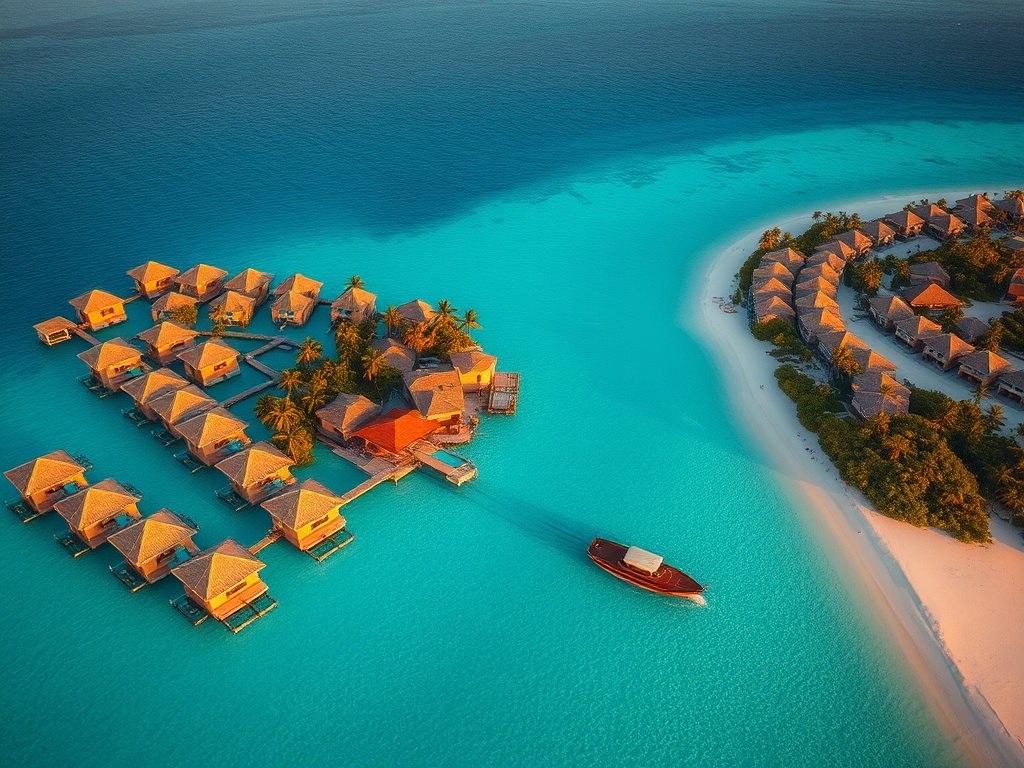
Overwater Villas That Never Touch Our Islands
In a nation where tourism has traditionally meant either exclusive private island resorts or local guesthouses integrated into island communities, a new concept is emerging: high-end overwater villas that create parallel worlds for visitors and residents. The model suggests tourists can experience luxury accommodations while locals maintain their daily lives without the cultural intermingling that has characterized Maldivian tourism for decades.
This approach challenges the fundamental premise of what makes the Maldives unique—the opportunity for genuine cultural exchange. For generations, guesthouses have allowed travelers to experience authentic Maldivian life, from sharing meals with local families to participating in community activities. The segregated model raises questions about whether tourism becomes merely transactional when interaction is minimized.
Proponents argue that this preserves local culture from the potentially corrosive effects of mass tourism. Islands can maintain their social fabric while still benefiting economically from high-end visitors. The physical separation—guests in their overwater villas, locals in their island homes—creates clear boundaries that respect both communities' privacy and way of life.
Yet critics worry this represents a missed opportunity for meaningful connection. Tourism at its best creates bridges between cultures, fosters understanding, and allows locals to share their heritage directly rather than through curated performances. The economic benefits of tourism might flow more freely when relationships are formed across cultural lines.
This debate reflects larger questions about development in the Maldives. As the nation grapples with economic pressures, foreign currency shortages, and the need to maximize tourism revenue, the fundamental question remains: What kind of tourism serves both visitors and residents best? Does separation protect local culture or merely create economic enclaves that benefit few?
The answer likely lies in balance. Some islands might thrive with clear boundaries between tourists and residents, while others might find their identity in the rich cultural exchange that comes from integration. What matters most is that Maldivians retain agency in deciding how tourism develops in their communities—ensuring that economic benefits don't come at the cost of cultural integrity.
As the Maldives continues to navigate its relationship with tourism, these questions of integration versus separation will only grow more pressing. The soul of Maldivian hospitality has always been in the warmth of its people—a quality that transcends any particular accommodation model.
— Source fragments: Here is a high-end guesthouse concept for the islands. Whole island doesn't have to be sacrificed to tourists. Guests can stay in their overwater villas. Locals can stay in their island without intermingling.