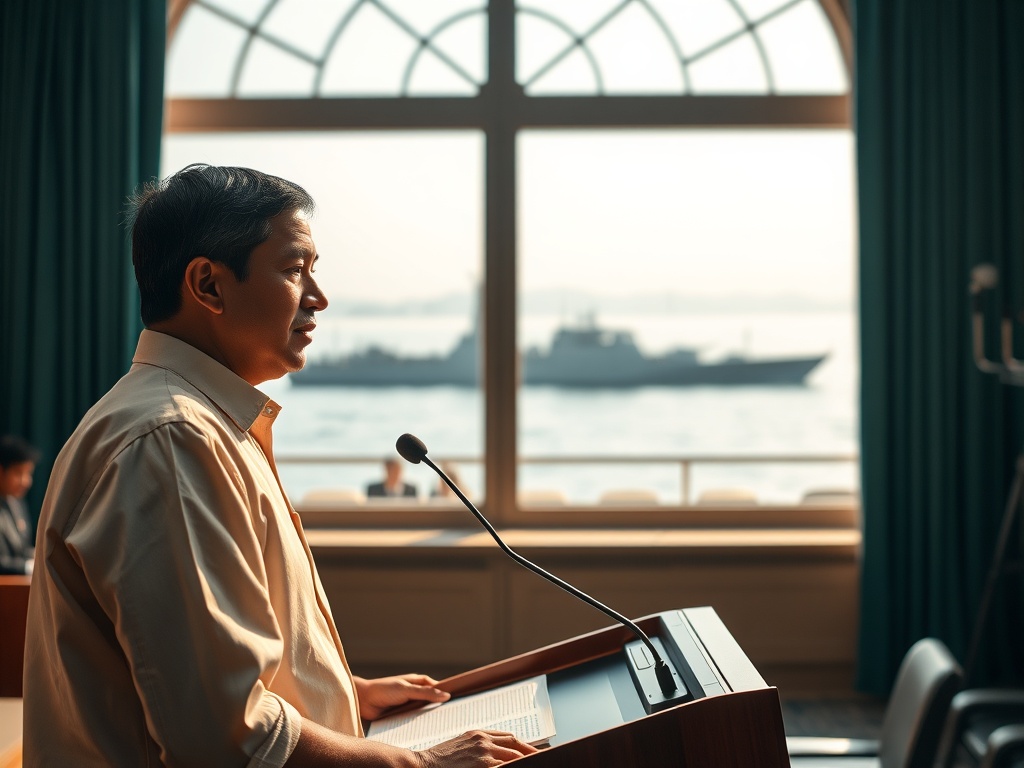
Pakistan Navy Ship Docks as Maldives Redraws Its Map
The recent port call by a Pakistan Navy warship to the Maldives, conducted despite external pressure, represents more than just routine military diplomacy. It signals a deliberate recalibration of foreign policy priorities that has been unfolding across the Indian Ocean archipelago. This strategic shift occurs against a backdrop of ongoing discussions about national sovereignty and the appropriate scope of international partnerships.
Defense analysts observe that such engagements reflect a growing confidence in the Maldives' ability to determine its own security arrangements. The joint exercises with Pakistan, while drawing attention from regional powers, demonstrate the government's commitment to diversifying its defense relationships. This approach aligns with historical precedents where Maldivian leaders have made difficult decisions to protect national interests, even when facing significant external pressure.
Simultaneously, the Maldives continues to engage with international human rights mechanisms, having recently concluded its Fourth Universal Periodic Review at the UN Human Rights Council. This dual-track approach—asserting sovereignty in security matters while maintaining international human rights commitments—illustrates the nuanced path small island nations must navigate in global affairs.
The conversation around foreign influence extends beyond immediate security concerns to broader questions of economic independence and development partnerships. As the country explores new relationships with Middle Eastern nations, including potential construction projects, there's growing recognition that diversified international engagement can strengthen negotiating positions across multiple sectors.
What emerges from these parallel developments is a picture of a nation carefully asserting its place in regional and global affairs. The government's approach appears guided by the principle that sovereignty isn't merely about rejecting external influence, but about carefully choosing partnerships that align with national interests. This balancing act requires diplomatic skill and strategic patience, particularly for a small state operating in a complex geopolitical environment.
As these policies unfold, they're being watched closely by both supporters and critics. The ultimate measure of success will be whether these foreign policy adjustments translate into tangible benefits for Maldivian citizens while preserving the nation's independence and values.
— Source fragments: Pakistan Navy warship port call and joint exercises; historical reference to expelling foreign forces; Universal Periodic Review completion; discussions about reducing external influence