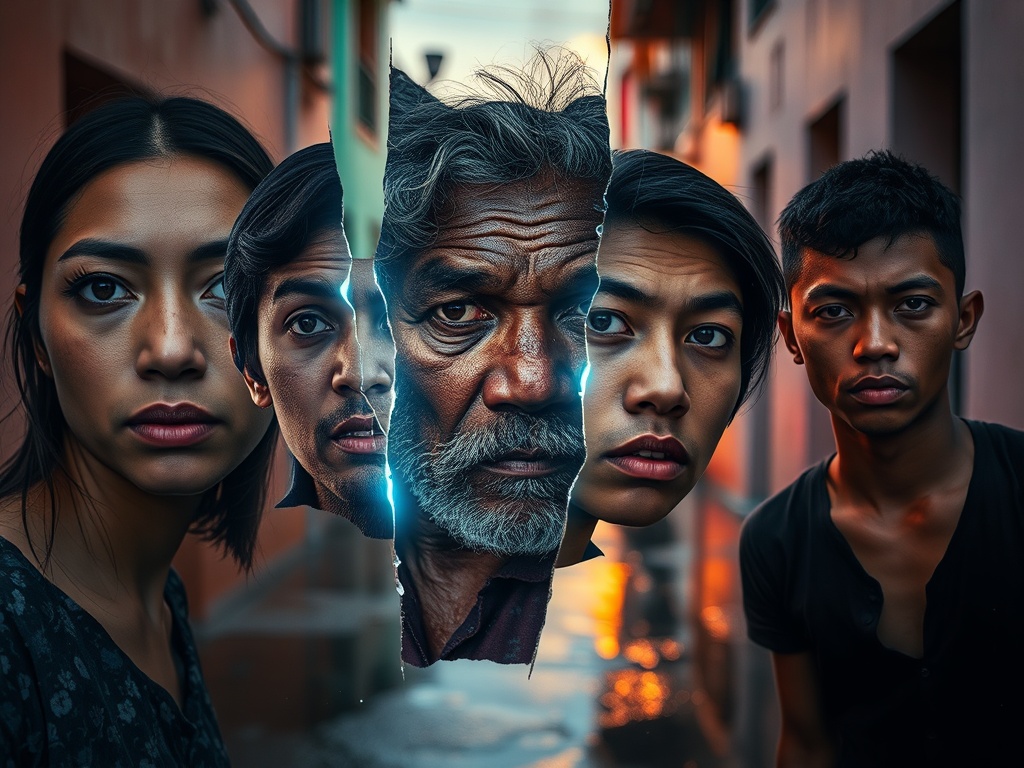
Parallel Monologues in Maldivian Digital Town Squares
In the digital town squares of the Maldives, conversations often begin with genuine concern but quickly fracture into parallel monologues. A plea for parental responsibility sits uneasily beside religious condemnation of gender expression. A cry of bureaucratic frustration echoes near a nihilistic reflection on the relief of death. These aren't just random thoughts—they're symptoms of a public discourse that has lost its capacity for constructive engagement.
The pattern repeats: someone raises a legitimate concern about family dynamics or social issues, only to be met with dismissal or redirected anger. The original question—how to address harm within families—gets lost in performative outrage about cultural changes. Meanwhile, the sheer exhaustion of navigating systemic failures leads some to morbid resignation, viewing death as preferable to confronting a broken system.
This fragmentation reflects broader societal challenges. When people feel unheard by institutions, their frustration spills into every conversation. The parent struggling with guidance, the citizen facing bureaucratic indifference, the traditionalist fearing cultural erosion—all speak from genuine places of concern, yet their voices clash rather than converge.
The most telling gap emerges between condemnation and compassion. While some decry social changes as moral failures, others point to the real human costs of rigid expectations. The debate around gender expression becomes particularly charged, with references to medical interventions highlighting how abstract moral positions have tangible consequences for real people.
What's missing is the space between positions—the recognition that multiple truths can coexist. A society can uphold religious values while showing compassion for those who struggle within its framework. It can maintain traditions while acknowledging that some young people feel trapped by them. The either/or framing that dominates online discourse serves neither tradition nor progress.
The solution lies not in choosing sides but in rebuilding the connective tissue of conversation. This requires moving beyond the immediate outrage to ask what drives people to such desperate positions. Why do some see death as preferable to life in their own country? Why do parents feel unequipped to guide their children? Why does engagement often feel like wasted effort?
These questions point toward deeper systemic issues—the educational gaps, economic pressures, and institutional failures that leave citizens feeling powerless. Until we address these root causes, our public conversations will remain fractured, with genuine concerns expressed as anger and real problems buried beneath surface-level conflicts.
— Source fragments: Parental responsibility questions, frustration with unproductive engagement, condemnation of gender expression alongside defense of personal choice, acknowledgment of societal decline