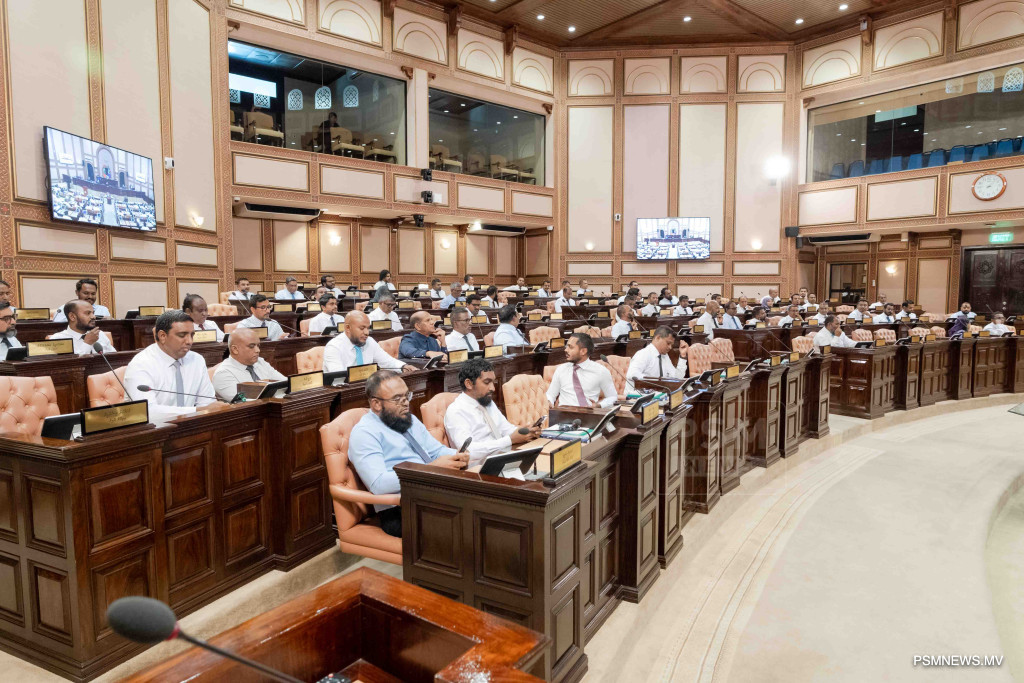
Parliament Orders Fenaka to Rectify Recruitment and Salary Violations After Audit
The Maldivian Parliament has formally instructed the Fenaka Corporation to resolve systemic irregularities in its recruitment, promotion, and payroll processes following a damning special audit report. The decision was reached via a unanimous vote of all 56 members present during Monday's sitting, following a detailed review by the Public Accounts Committee.
The audit, which examined the company's operations from 2020 to 2023, revealed that Fenaka recruited 5,289 employees over a five-year period. Crucially, the report found that numerous promotions were granted in direct violation of existing regulations. To curb further inefficiency, the Auditor General recommended a comprehensive job analysis to determine the actual staffing needs of the company and to halt unnecessary hiring.
In response, the Public Accounts Committee has issued 12 specific recommendations. The committee is demanding that Fenaka provide a progress report on its 'rightsizing' exercise within three months. To prevent future nepotism or irregularity, the company must also amend its staff regulations to ensure no employees are hired without a public vacancy announcement.
The investigation has also uncovered financial misconduct. The committee discovered that certain employees were recruited under the guise of 'in-house projects' and paid exorbitant salaries. Consequently, Parliament has ordered Fenaka to recover USD 14,896.95 in overpayments made to these individuals.
Legal consequences are expected as the committee has called upon the Anti-Corruption Commission (ACC) and the Maldives Police Service to identify and penalize those responsible for these administrative failures. The ACC is required to submit its preliminary findings within 30 days and provide monthly updates to the committee.
By mandating a revision of standard operating procedures and stricter oversight, Parliament aims to transform Fenaka's corporate governance and ensure that public resources are managed with greater transparency and accountability.