Parliament's Fast-Tracked Housing Bill and the Search for Fairness
The debate over housing in the Maldives has moved beyond simple accusations and counter-accusations about who deserves what. The conversation has matured into a more nuanced discussion about policy fairness, market realities, and the search for sustainable solutions that serve all Maldivians equally.
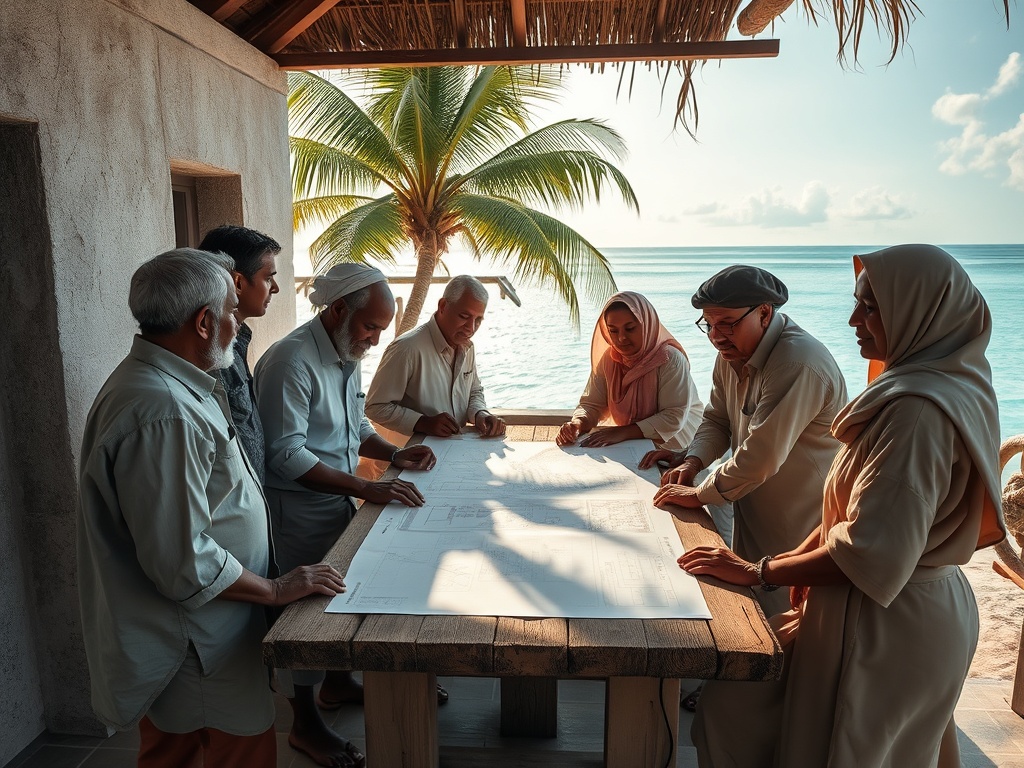
At the heart of the current parliamentary discussions is a housing bill being fast-tracked through committee review. The legislation aims to standardize government housing schemes and require the state to conduct comprehensive housing surveys and present a National Development Plan. This technical approach reflects growing recognition that the housing crisis requires systematic solutions rather than political quick fixes.
The emotional charge around housing often centers on the concept of 'Malé Meehaa'—native Malé residents—and perceptions of preferential treatment. However, observers note that this framing obscures more complex realities. The rental market in Malé, for instance, involves stakeholders from across the archipelago, with real estate development and management drawing on expertise and investment from various islands. The income generated circulates beyond any single demographic.
Policy discussions have shifted toward questioning the fundamental criteria for housing allocation. There's increasing consensus that birthplace or profession should not determine eligibility. The debate now centers on how to establish fair limitations for island allocations to couples and whether free land distribution serves anyone's long-term interests.
Economic analysis enters the conversation through discussions of price controls and market regulation. When demand dramatically outstrips supply—as in Malé's housing market—price ceilings often backfire, creating black markets where units rent illegally at higher rates. International experience suggests regulating percentage increases rather than imposing artificial caps.
The MDP's 'Goathi' scheme receives particular attention for illustrating how good policy concepts can be undermined by problematic implementation. The scheme's constitutional issues and perceived bias in execution highlight how even well-intentioned programs can falter without careful, equitable administration.
Underlying these technical discussions is a broader recognition that successive governments have failed to develop a comprehensive housing strategy. The solution, many argue, lies not in blaming any particular group for seeking available opportunities, but in creating a holistic national approach where every Maldivian can access land and housing through transparent, consistent criteria.
The path forward appears to require balancing immediate needs with long-term planning. As Parliament deliberates the housing bill, the challenge will be crafting legislation that addresses both the urgent crisis in Malé and the broader national requirement for equitable development across all inhabited islands.
— Source fragments: Housing bill fast-tracking, Malé Meehaa perceptions, rental market composition, allocation criteria debates, price control economics, MDP Goathi scheme analysis, need for national approach