PayPal's silent exclusion hurts Maldivian businesses
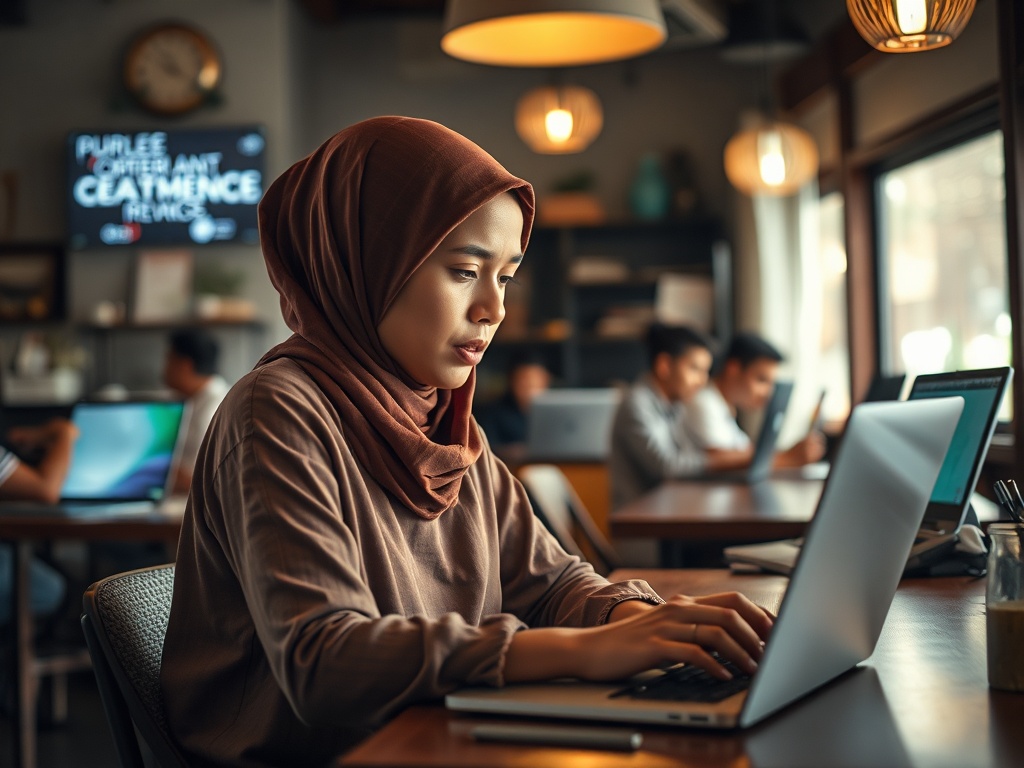
The afternoon sun glints off the harbor waters as I scroll through yet another international client email. 'We prefer PayPal,' it reads, and my heart sinks. This familiar dance repeats daily across Malé's cramped offices and home workspaces—Maldivian entrepreneurs hitting the same invisible wall. We can send money out through PayPal, but we cannot receive payments for our work. This isn't just inconvenience; it's systemic exclusion from the global digital economy.
In a nation where youth unemployment hovers around 25-30%, digital entrepreneurship offered hope. Young Maldivians developed skills in graphic design, software development, consulting, and creative services—exactly the kind of work that could transcend our geographic isolation. We mastered our crafts, built portfolios, and found international clients. Then came PayPal's limitations, creating a one-way street where money flows out but never in. This silent barrier affects hundreds, perhaps thousands, of small businesses and freelancers across our islands.
The irony cuts deep. Our tourism industry welcomes visitors from every corner of the globe, processing millions in transactions through sophisticated payment systems. Yet Maldivian digital entrepreneurs—working from their living rooms in Malé or remote islands—cannot receive $50 for a logo design or $200 for a month's social media management. We watch as other developing nations integrate fully into global payment networks while we remain digitally stranded.
This isn't merely about convenience. For a generation grappling with limited job opportunities and the high cost of living, digital work represented economic liberation. It meant not having to choose between unemployment and migrating for work. It promised a way to build businesses without the massive capital required for tourism ventures. PayPal's partial availability mocks these aspirations, offering the appearance of inclusion while denying the substance.
What makes this particularly frustrating is the silence surrounding it. While we debate Indian military presence and Chinese infrastructure projects, this daily economic exclusion goes unmentioned in our national discourse. There are no parliamentary questions about it, no media investigations, no public demonstrations. We accept it as another reality of being Maldivian in a global system that often overlooks our specific needs.
The consequences ripple through our communities. Talented designers take government clerical jobs instead. Programmers accept lower-paying local contracts. Creative entrepreneurs abandon their ventures for more predictable work. Each abandoned dream represents not just personal disappointment but national potential lost—economic diversity we desperately need as we navigate beyond our tourism-dependent model.
Yet in true Maldivian fashion, we adapt. We create workarounds—asking clients to use bank transfers that take weeks, relying on friends abroad as intermediaries, or simply turning down opportunities that should be ours. These solutions come with costs: delayed payments, additional fees, and the constant anxiety of appearing unprofessional to international partners.
Perhaps what we need most is not just technical solutions but recognition—that our digital exclusion matters, that our economic aspirations deserve the same infrastructure others take for granted. As the evening call to prayer echoes across Malé's crowded streets, I close my laptop with that familiar mixture of resignation and determination. We will find another way, because we always do. But we shouldn't have to.