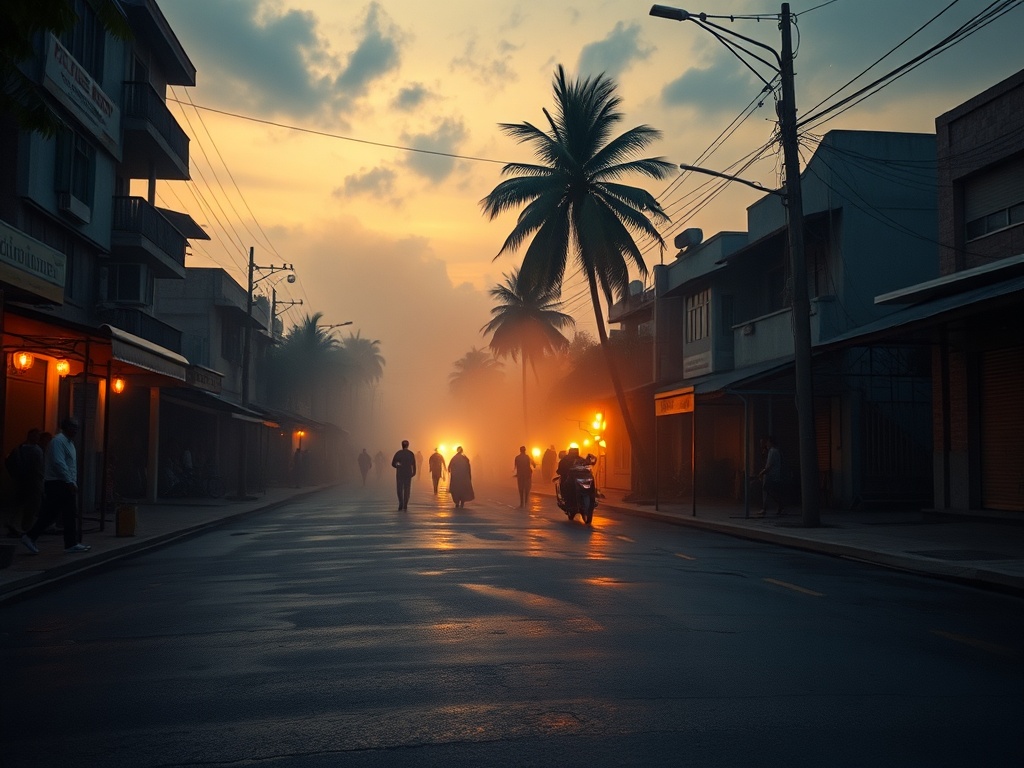
Pepper spray used against protesters in Maldives
The images from October 7th, 2025, tell a story that many Maldivians are struggling to comprehend. When pepper spray clouds the air where voices should be heard, we must ask ourselves what has become of our democratic space. The very institutions meant to protect citizens appear to be turning against them, creating a chilling atmosphere where fundamental rights feel increasingly fragile.
What does it mean when 'fundamental human rights belong to everyone' becomes a contested statement rather than a shared principle? The question hangs heavy in the humid Maldivian air - if the government meant to enforce these rights goes against them, who exactly will stand for the common person? This isn't just about one evening of protest; it's about the foundation of our social contract.
The use of chemical irritants against citizens exercising their right to assemble represents a troubling shift in how authority relates to the people it serves. Across our islands, from Malé's crowded streets to the quieter atolls, people are watching and wondering where this path leads. The distance between the governed and those who govern seems to be widening into a chasm that pepper spray cannot bridge.
In a nation where community and mutual respect have long been cornerstones of our culture, these confrontations feel particularly jarring. The tension between maintaining order and respecting rights is not unique to the Maldives, but how we navigate this moment will define our character as a nation. The fundamental question remains: when protection becomes persecution, where do ordinary citizens turn?