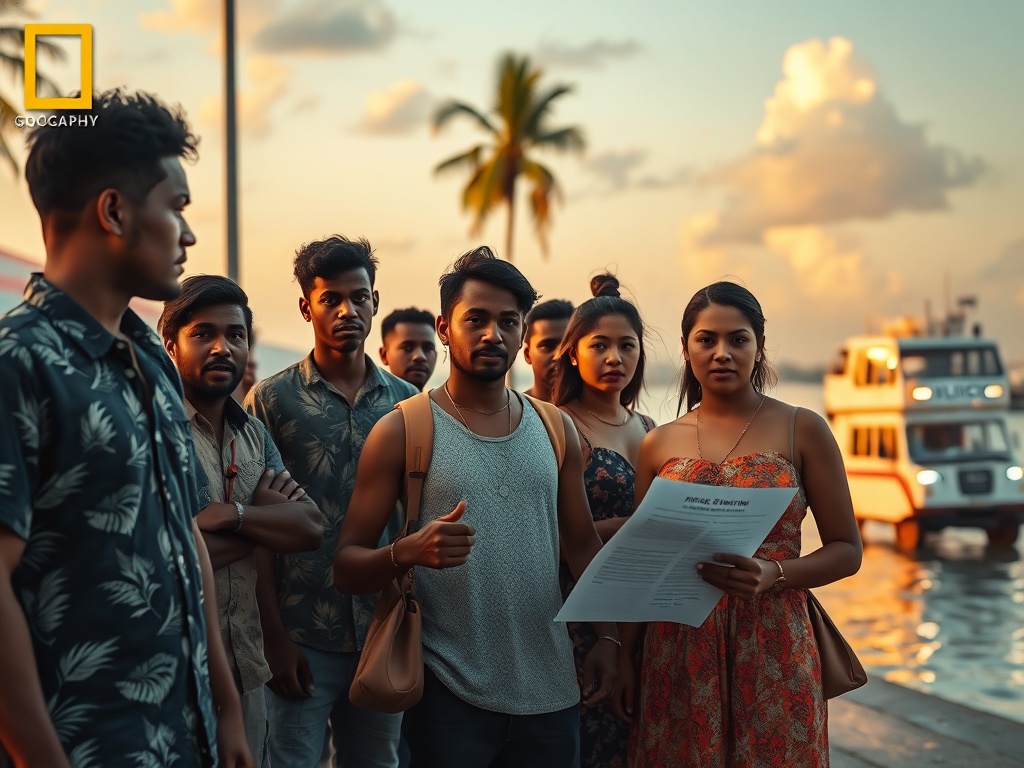
Petition Against the Use of Long Range Acoustic Devices by Maldives Police Service
The introduction of Long Range Acoustic Devices (LRAD) by the Maldives Police Service has sparked a public outcry, culminating in a formal petition. Why now? The timing is no coincidence. As governance trends toward consolidation of power, tools that can suppress dissent become instruments of control. The LRAD, capable of projecting painful sound over long distances, is not just a crowd-control device—it is a symbol of the state's capacity to silence opposition.
What does this mean for Maldivians who wish to voice their concerns? The right to peaceful assembly is enshrined in our constitution, yet the deployment of such technology sends a chilling message. It suggests that public spaces, once forums for democratic expression, are now zones where the state can impose its will through technological force. This is not merely about safety; it is about the fundamental balance between authority and liberty.
Consider the broader political context. With a politicized judiciary, eroding freedoms, and a history of high-profile corruption cases, the public's trust in institutions is already fragile. The LRAD controversy amplifies these anxieties. How can citizens hold their leaders accountable if the tools of protest are met with devices that cause physical discomfort or harm? The question is not whether the police need to maintain order, but whether the methods used respect human dignity and democratic norms.
Economically, the issue intersects with the daily struggles of Maldivians. High living costs, unemployment, and a housing crisis have fueled public frustration. When people take to the streets to demand change, they do so out of desperation. The state's response—whether through LRADs or other measures—will determine whether these grievances are heard or suppressed. If dissent is stifled, what avenues remain for addressing the systemic issues that plague our society?
The petition against LRADs is more than a single-issue campaign; it is a litmus test for the health of our democracy. Will the government listen to the people, or will it prioritize control over dialogue? The answer will shape the future of political engagement in the Maldives. As we navigate these challenges, the core question remains: Can a nation built on Islamic principles and democratic aspirations afford to silence the voices of its citizens?