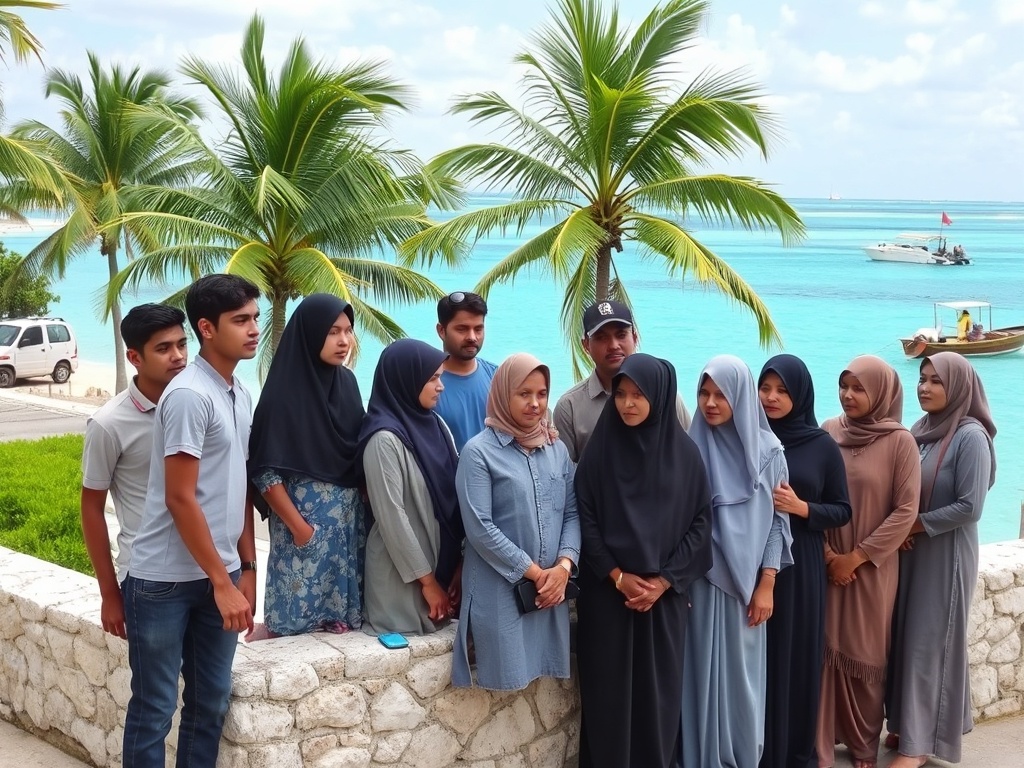
Police brutality sparks public outrage in Maldives
Growing public anger is sweeping across the Maldives as multiple reports emerge of police using excessive force against citizens. Eyewitness accounts describe scenes of violence during what began as peaceful demonstrations, with officers allegedly beating protesters and using unnecessary physical force.
Many Maldivians are expressing deep frustration with what they perceive as systematic police brutality. The incidents have sparked widespread condemnation on social media platforms, where citizens are sharing their experiences and demanding immediate action. The public outcry highlights a growing rift between law enforcement and the communities they are meant to serve.
In recent days, videos and firsthand accounts have circulated showing confrontations between police and civilians. Witnesses describe officers using batons and physical violence against unarmed individuals, including youth and elderly participants. These reports have fueled public distrust in law enforcement institutions and raised serious questions about police training and accountability mechanisms.
The situation reflects broader concerns about civil liberties and the right to peaceful assembly in the Maldives. Many citizens feel their fundamental rights are being violated, while authorities maintain they are simply enforcing public order. This tension between public safety and individual freedoms continues to dominate political discourse across the islands.
Community leaders and civil society organizations are calling for independent investigations into the alleged police misconduct. They argue that without proper oversight and accountability, public trust in law enforcement will continue to erode. The ongoing situation has become a focal point for discussions about governance, human rights, and the relationship between citizens and state institutions in the Maldives.
As the controversy unfolds, many Maldivians are watching closely to see how authorities will respond to these serious allegations. The outcome could have significant implications for police-community relations and the future of public protests in the island nation.