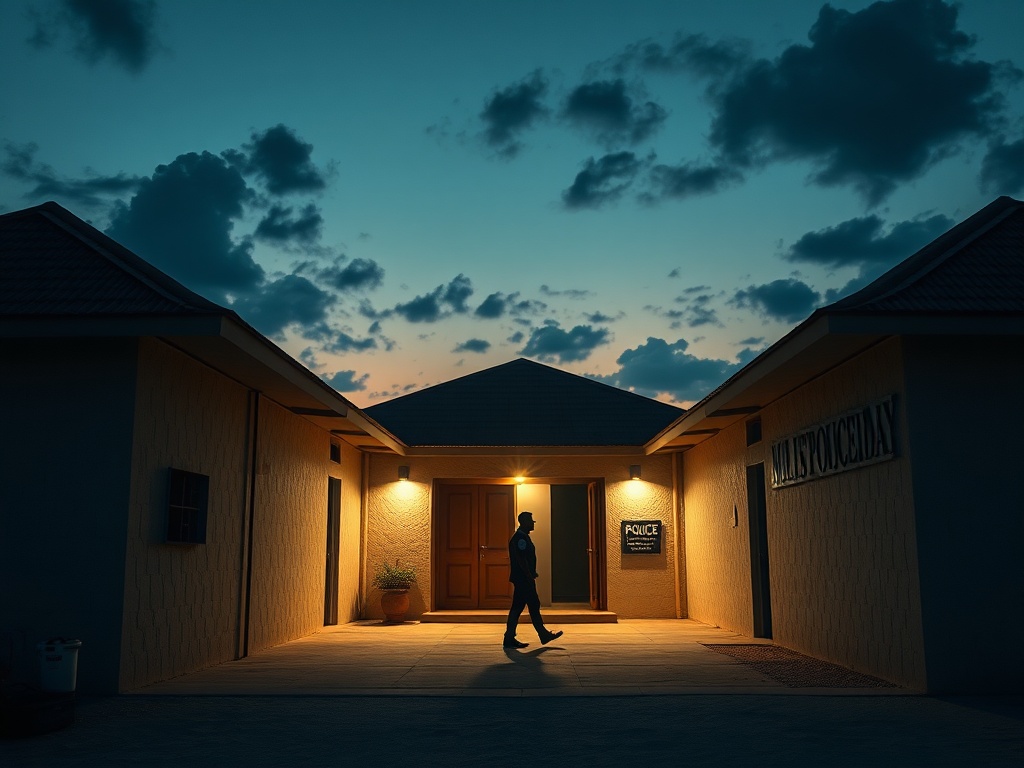
Police crushed Solah’s finger after arrest, denied medical treatment
In the quiet hours of an ordinary day, a story began circulating that would shake the casual confidence of our island society. It wasn't about infrastructure projects or political rhetoric—it was about what happens behind closed doors, where power meets vulnerability. 'Police crushed Solah's finger after arrest, denied medical treatment for over a day,' one voice stated plainly, while another echoed, 'MDP alleges brutal treatment of detainees, claims police acting on higher orders.' These aren't isolated whispers but overlapping testimonies pointing toward a pattern that demands our collective attention.
The emotional tone across these messages carries a mixture of horror and resignation—the kind that settles when people feel institutions meant to protect have become instruments of harm. When someone speaks of fingers being crushed and medical care withheld, they're describing more than physical pain; they're revealing a breach of the fundamental trust between citizens and those sworn to serve them. This cluster of voices suggests a shared understanding that such incidents aren't accidental but possibly systematic, as indicated by the reference to 'higher orders.'
What does it mean for a society when allegations of police brutality become part of public discourse? For Maldivians accustomed to close-knit communities where everyone knows everyone, these reports create a chilling disconnect. The comments reflect a struggle between disbelief and mounting evidence—a tension familiar in societies where official narratives clash with lived experiences. The hashtags #Maldives #PoliceBrutality #Torture serve as digital markers of this growing concern, transforming personal outrage into collective witness.
Amidst other conversations about urbanization losing private space or political accusations, the brutality allegations stand out for their visceral urgency. They touch on universal values of dignity and safety that transcend political affiliations. While one comment dismisses certain actors as 'kazzaabun,vagun,luteyrun' (liars, deceitful, thieves), the police brutality claims resonate differently because they address human rights rather than partisan politics. This distinction makes the cluster particularly powerful and socially relevant.
As we navigate these troubling waters, the question remains: how do we reconcile our island identity—built on community and mutual care—with allegations of institutional violence? The voices sharing these stories aren't just reporting events; they're calling for accountability in a system that sometimes feels increasingly distant from the people it's meant to serve. Their collective testimony creates a narrative that cannot be easily dismissed, one that asks all of us to look closer at the balance between authority and humanity in our developing nation.