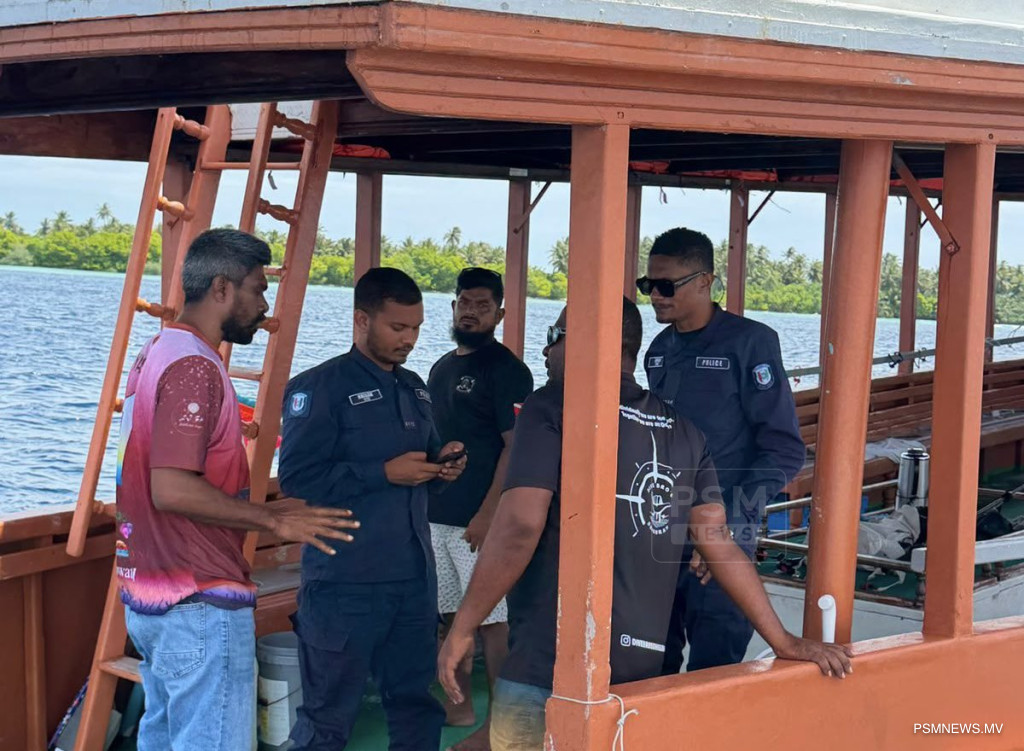
Police Join Rangers to Protect Whale Sharks in South Ari Marine Area
The Ministry of Climate Change, Environment and Energy has deployed police patrols to the South Ari Marine Protected Area (SAMPA) to bolster the protection of the Maldives’ largest marine sanctuary. The move aims to address longstanding monitoring challenges caused by the area's vast size and numerous access points.
SAMPA is recognized as a globally significant site for year-round whale shark sightings, drawing thousands of international tourists annually. To ensure the survival of these creatures, police are now working in tandem with SAMPA rangers to strengthen enforcement of existing management regulations.
The ministry has issued a directive for all visitors and vessel operators to strictly adhere to the area's management plan. Mandatory requirements include registering vessels, employing registered guides, and notifying rangers prior to entry. To enhance safety and tracking, operators must share live location data and display designated flags. Additionally, the ministry has set a deadline for the end of the month for the installation of propeller guards on all vessels to prevent wildlife injuries.
Complementing the increased security is the launch of the 'Tech-for-Nature' project, an initiative designed to modernize the sanctuary's management. By integrating real-time communication tools and digital monitoring equipment, rangers can now collect more accurate data on tourist-wildlife interactions. This technological leap is intended to balance the economic benefits of tourism with rigorous environmental conservation.
Beyond immediate enforcement, the Tech-for-Nature project provides the scientific framework necessary for SAMPA to apply for the IUCN Green List, an international standard for effectively managed protected areas. The ultimate objective is to create a sustainable ecosystem where scientific data informs policy, ensuring that the whale shark population thrives despite the pressures of high-volume tourism.