Police serve the powerful, not protect the people
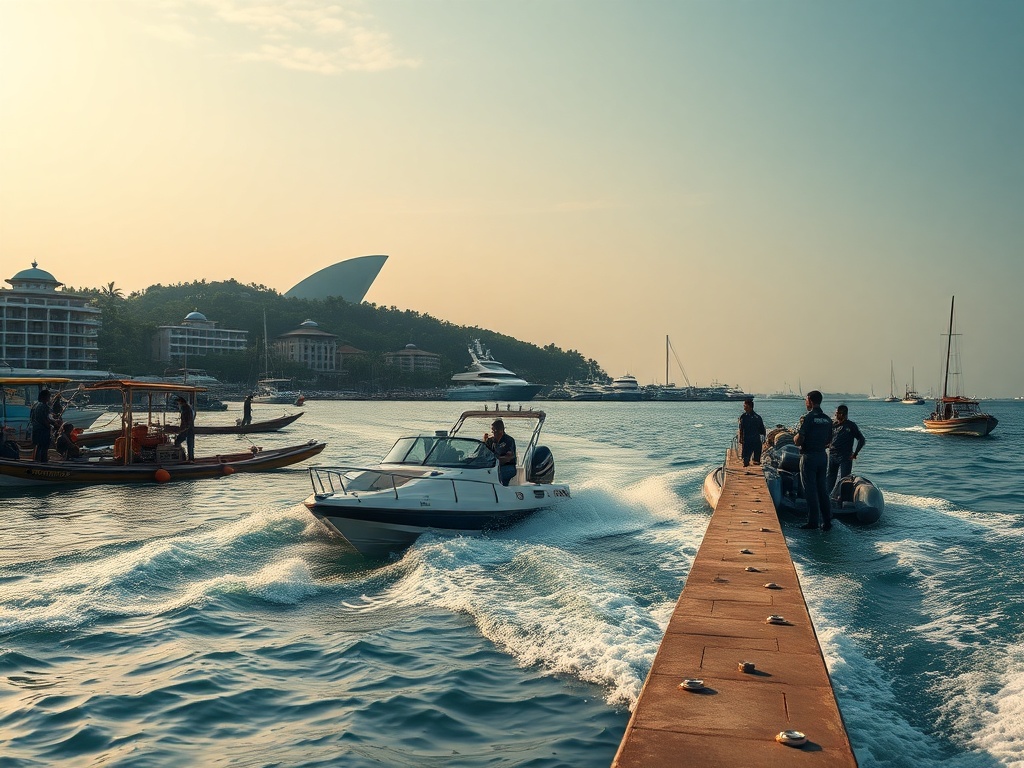
When I watch the police speedboats patrolling Malé's harbor, I don't see guardians of public safety. I see the same institution that has always existed to protect property and power, not people. In our islands, this truth echoes through our history—from the sultan's guards who kept the commoners in line to the modern police who break up protests against rising living costs while turning blind eyes to the real criminals in suits.
Think about last month's demonstration near the fish market. Dozens of young men, frustrated by unemployment and the feeling that foreign workers are taking jobs that should be ours, gathered to voice their anger. Within minutes, police in riot gear appeared—not to listen, not to mediate, but to disperse. Yet when resort developers illegally dredge coral reefs or politicians' relatives get caught in corruption scandals, where is that same urgency? The response is slower, more measured, almost respectful.
Our police force wasn't born from some noble desire to protect Maldivians from harm. Look at how they operate across our islands—quick to arrest a young man for petty drug possession while the wealthy businessmen importing those same drugs operate with impunity. They'll swarm a local protest about housing shortages but take weeks to investigate when politically-connected landlords illegally sublet government flats to foreigners at triple the price.
This pattern repeats throughout our society. The police protect the tourism investors who control our economy while leaving the rest of us to navigate the consequences. They secure the perimeter of luxury resorts where the wealthy enjoy our paradise, while back on our home islands, we struggle with basic services. The same institution that provides security for foreign dignitaries visiting newly-built Chinese infrastructure projects can't seem to find the resources to address the drug gangs preying on our unemployed youth.
We see it in the priorities—the heavy presence during political demonstrations versus the understaffed stations on islands where real crimes go unsolved. We feel it in the different treatment—the rough handling of working-class Maldivians versus the polite questioning of the well-connected. The system wasn't designed for justice; it was designed for control.
Yet even within this reality, there's hope. Because when we recognize this truth, we can begin demanding something better. We can envision a different kind of protection—one that serves the fisherman worried about his livelihood, the family struggling with housing costs, the young person seeking opportunity rather than repression. The sea that surrounds us belongs to all Maldivians, not just the powerful few—and the institutions that govern us should reflect that same shared ownership.