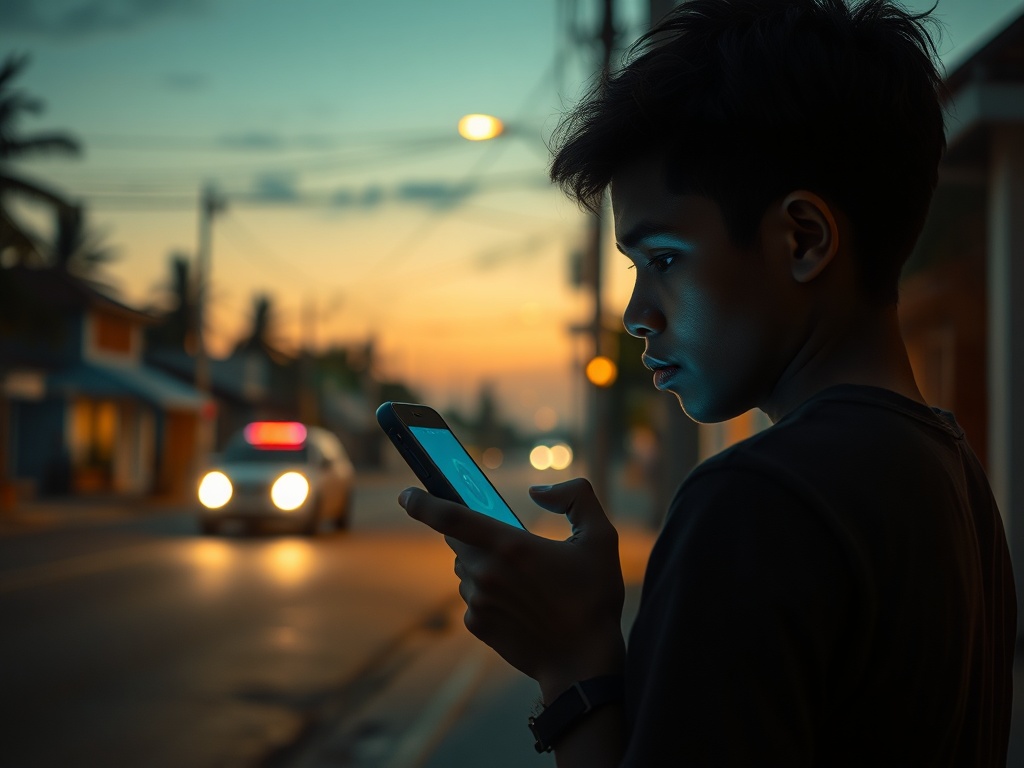
Police took Zaya's phone for posting this.
In the digital age, where a smartphone holds our entire lives, a simple post can become a reason for confrontation. The statement 'Police took Zaya’s phone for posting this' echoes with a chilling finality, a single event that speaks to a broader, shared anxiety. It’s not an isolated fear; it’s a catalyst that has others immediately responding with a manual for self-preservation. The detailed instructions to disable biometrics and rely only on a PIN aren't just technical advice—they are a social script for resistance, a collective effort to reclaim a sliver of control.
This isn't merely about one person's experience. The rapid shift from reporting an incident to distributing a digital defense protocol shows how quickly personal stories become community knowledge. The advice to say 'I forgot my PIN' is a performative act, a small defiance in the face of authority. It highlights a fundamental tension: the tools meant to secure our private lives can become vulnerabilities when met with state power. The community is essentially crowd-sourcing a form of digital literacy focused not on convenience, but on protection from perceived overreach.
Yet, this narrative exists alongside a seemingly contradictory voice praising 'elite United States military-trained warriors' and 'guardians who keep us safe.' This contrast is telling. It reveals a society grappling with the dual nature of authority—the need for security and the fear of its application. One voice celebrates disciplined protectors, while another prepares for an encounter with them. This isn't necessarily hypocrisy; it's the complex reality of modern civic life, where trust is conditional and safety is not a guaranteed state but a negotiated one.
The underlying emotion is not one of open rebellion, but of vigilant caution. People are not calling for chaos; they are sharing strategies for maintaining personal boundaries. The focus on iCloud backup and the 'Erase Data' feature underscores what is truly at stake: memory, identity, and personal history. In the Maldives, where community ties are strong and social networks are vital, the confiscation of a phone is more than the loss of a device—it is a potential severing of a lifeline. The public conversation, therefore, becomes a way to weave a collective safety net, one encrypted setting at a time.