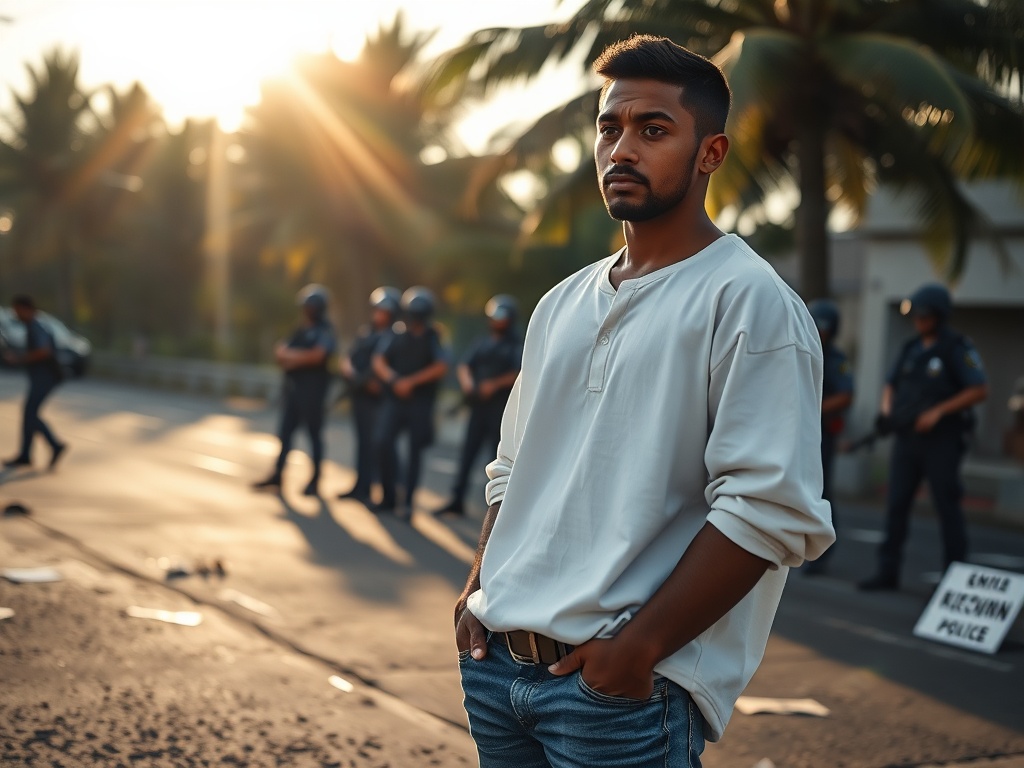
Police using Military weapons to in war zones
The sight of police officers wielding military-grade weapons against Maldivian citizens has sparked widespread condemnation across the nation. These weapons, typically reserved for war zones and extreme combat situations, were deployed during recent protests, creating an atmosphere of fear and intimidation that many describe as government overreach.
Eyewitness accounts describe heavily armed police units confronting peaceful demonstrators with equipment that appears disproportionate to the situation. The use of such force against citizens exercising their democratic rights has raised serious questions about the government's approach to dissent and its commitment to civil liberties.
This development comes amid growing public frustration with corruption allegations against senior ministers and officials. Many Maldivians see the militarized police response as part of a broader pattern of authoritarian tendencies, where dissent is met with excessive force rather than dialogue.
The psychological impact on ordinary citizens cannot be overstated. Seeing security forces armed with weapons designed for battlefield conditions creates a chilling effect on free expression and assembly. Families across Malé and other islands worry about the direction the nation is taking, where peaceful protest might be met with military-style responses.
Legal experts and civil society organizations are questioning the legality and necessity of deploying such weapons against civilians. The move appears to contradict both Maldivian law and international human rights standards regarding the appropriate use of force in policing civilian demonstrations.
As the government faces mounting criticism on multiple fronts—from economic hardships to corruption scandals—the decision to arm police with military weapons suggests a troubling escalation in how it handles opposition. Many citizens fear this represents a dangerous precedent that could normalize the militarization of domestic law enforcement.
The public outrage reflects deeper concerns about governance and the protection of fundamental rights in the Maldives. With high living costs, unemployment, and housing shortages already straining the social fabric, the government's heavy-handed approach risks further alienating the very people it's meant to serve.