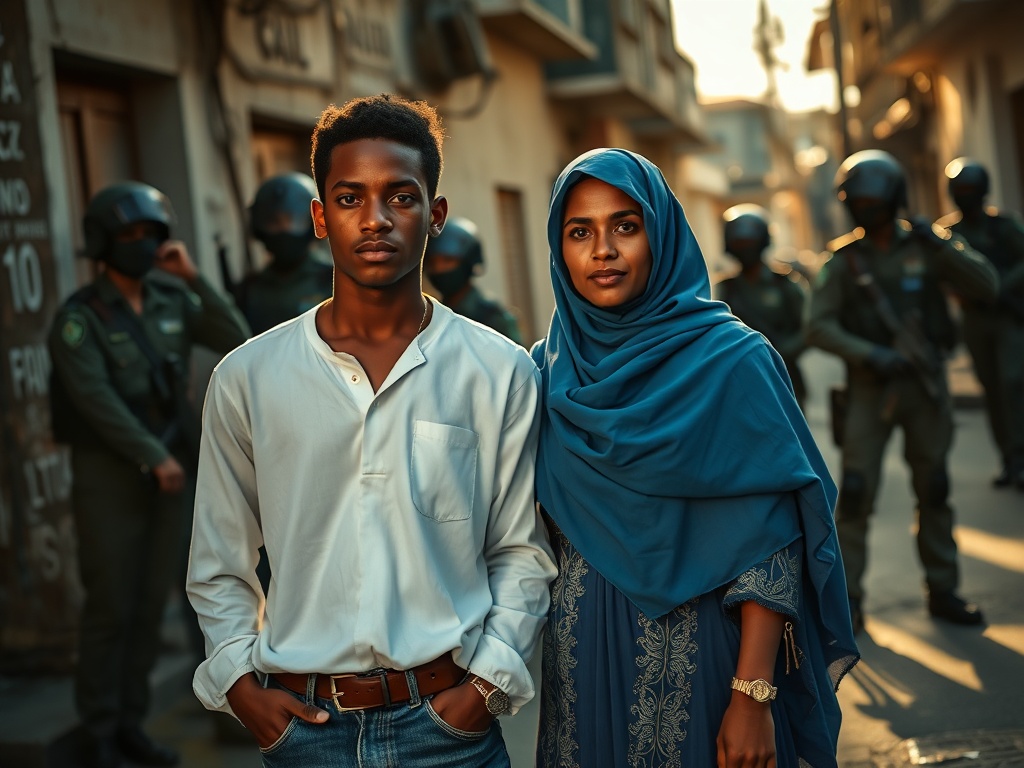
Police using Military weapons to in war zones
The deployment of military-grade weapons by police forces against civilians has ignited widespread condemnation across the Maldives. This controversial tactic, typically reserved for war zones, represents a dramatic escalation in how authorities handle domestic protests and public dissent.
Eyewitness accounts describe scenes where police units equipped with military-grade equipment confronted citizens during recent demonstrations. Many Maldivians view this as a fundamental breach of trust and an alarming departure from proper law enforcement protocols. The use of such weaponry against one's own people has been characterized as a criminal act by the current administration.
This development occurs against a backdrop of eroding civil liberties and increasing government consolidation of power. As political tensions rise between the ruling PNC and opposition parties like MDP and The Democrats, the boundaries between law enforcement and military action appear increasingly blurred. Citizens express concern that such tactics could become normalized, further restricting their ability to peacefully assemble and voice discontent.
The government's approach to public protest reflects broader patterns of governance that prioritize control over dialogue. With the judiciary facing allegations of politicization and freedom of expression under threat, many Maldivians worry about the direction of their democratic institutions. The sight of military-grade equipment on the streets of Malé represents a tangible manifestation of these systemic concerns.
Economic pressures, including the high cost of living and youth unemployment, have fueled public frustration. When combined with perceived government overreach, these conditions create a volatile environment where peaceful protest becomes one of the few remaining avenues for civic expression. The heavy-handed response to such demonstrations only deepens the divide between citizens and their government.
As the nation grapples with these challenges, the fundamental question remains: how can a government maintain order while respecting the democratic rights of its people? The answer to this question will likely shape the Maldives' political landscape for years to come, affecting everything from foreign relations to domestic stability.