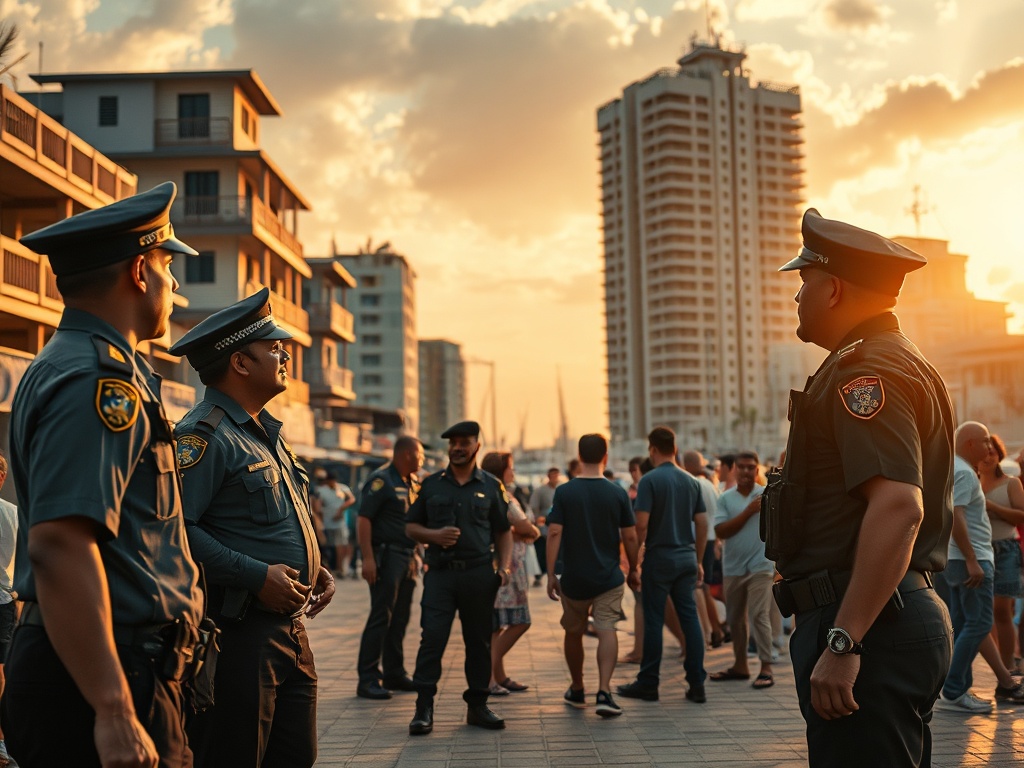
Police will begin to see civilians as 'enemy' to be controlled
The appointment of a military figure to lead the police force has sparked a deep-seated worry among citizens. This isn't merely about personnel changes—it's about the very soul of our law enforcement institutions. When someone from the military takes charge of the police, they bring with them an entirely different worldview, one forged in the fires of combat readiness and enemy engagement rather than community service and public trust.
Military training prepares individuals to identify and neutralize threats, to secure perimeters, and to operate in environments where the population may be hostile. Police training, in contrast, emphasizes de-escalation, community engagement, and protecting citizens' rights. The fundamental purposes diverge significantly—one exists to defend against external enemies, the other to serve and protect the community from within.
What happens when these institutional cultures collide? The comment suggests a gradual but profound shift in police mentality. Instead of viewing Maldivians as fellow citizens deserving protection, officers might begin to perceive ordinary people as potential adversaries. This transformation wouldn't happen overnight, but through subtle changes in training protocols, operational procedures, and leadership priorities that trickle down through the ranks.
The implications for daily life in our islands could be significant. Community policing efforts that have taken years to build might erode. The trust between officers and neighborhoods—already fragile in some areas—could fracture completely. When law enforcement sees the public as an 'enemy to be controlled' rather than 'citizens to be served,' the social contract that underpins public safety begins to unravel.
This concern reflects broader anxieties about the militarization of civilian institutions in our democracy. As we navigate complex social and political challenges, maintaining the distinct roles of military and police remains crucial for preserving both national security and civil liberties. The fear isn't just about one appointment—it's about the institutional legacy that might endure long after this administration has passed.