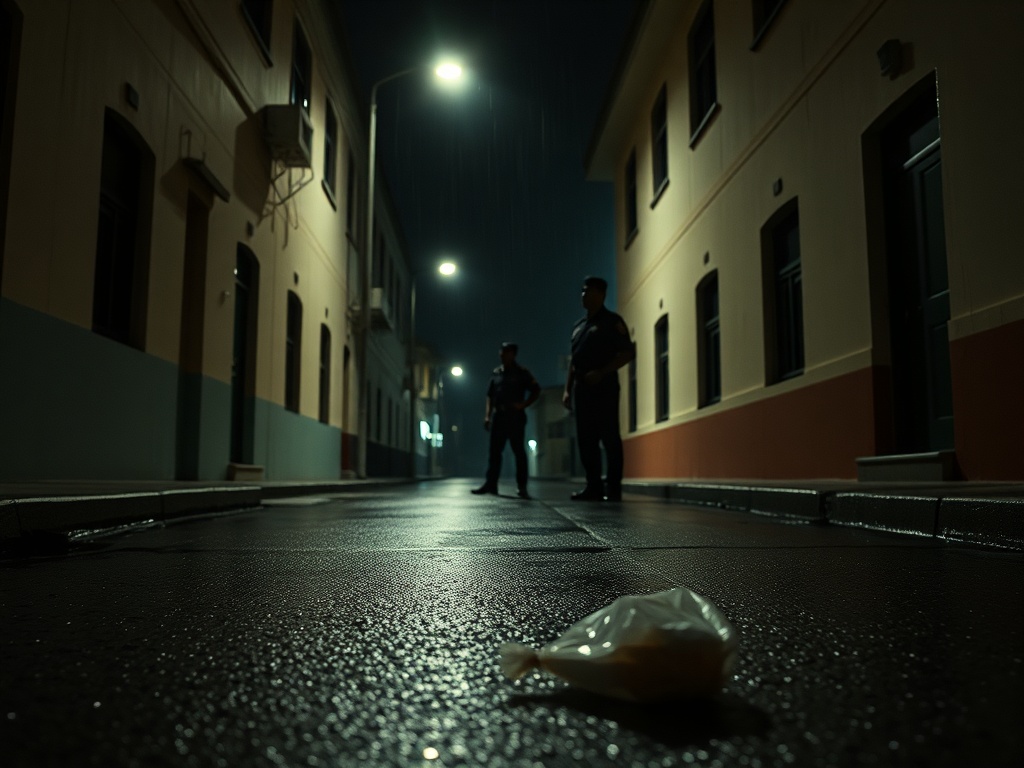
Police Will Stop Foreigners Between Midnight and 6 a.m.
A directive announced that police would stop and question foreigners on the streets between midnight and 6 a.m. The announcement first appeared in English, then vanished, only to reappear in Dhivehi. This language shift was more than translation; it was a recalibration of audience. The initial broadcast was a signal to the world. The latter was for the domestic sphere, reinforcing internal order. This digital sleight of hand is emblematic of a governance style where presentation is meticulously managed, often outpacing substance.
This preoccupation with optics extends to the highest office. The President staying up until 2:30 AM to hear grievances from a foreign university official is potent political theater. It projects dedication and accessibility. Yet, this performance exists alongside a civil service grappling with fundamental dysfunctions: outdated procedures, absent performance frameworks, and career pathways that fail to attract or retain talent. The state's energy is bifurcated, split between crafting compelling vignettes of leadership and the grinding, unglamorous work of building institutional capacity.
At the heart lies a tension in resource allocation. The government champions centralization and large-scale projects like land reclamation, arguing for the creation of livable space. Simultaneously, it proposes funneling public funds to private media to ensure true independence, a policy that instantly transforms those outlets into partially public entities. Every allocation is a policy choice with profound consequences. Subsidized housing projects become political currency, often sublet by absent leaseholders. A healthcare system strained by abuse and shortages exists alongside debates about whether civil servants can cover their grey hair. The state prioritizes, but the logic of those priorities is frequently obscured by immediate political calculus.
These are interconnected symptoms of a system where policy is often reactive, performative, or politicized. Nationalist sentiment is galvanized while foreign currency reserves dwindle. High-profile corruption cases unfold as the cost of living soars due to money printing and taxes. The public is left to navigate this landscape, encouraged to weigh carefully and credit good policies while fighting bad ones. But this demands a clarity often denied. When consultation is questioned and bills remain unseen, the democratic feedback loop weakens. Society becomes a function of these top-down choices, where the spectacle of governance—the midnight police patrols, the presidential vigils—risks becoming a substitute for the coherent, accountable, and capacity-building governance the Maldives urgently requires.
— Source fragments: Police announcement language switch; President's late-night consultation; Civil Service Commission inefficiency; Media funding and accountability; Centralization vs. decentralization policy debate; Housing project issues; General public sentiment on weighing government actions.