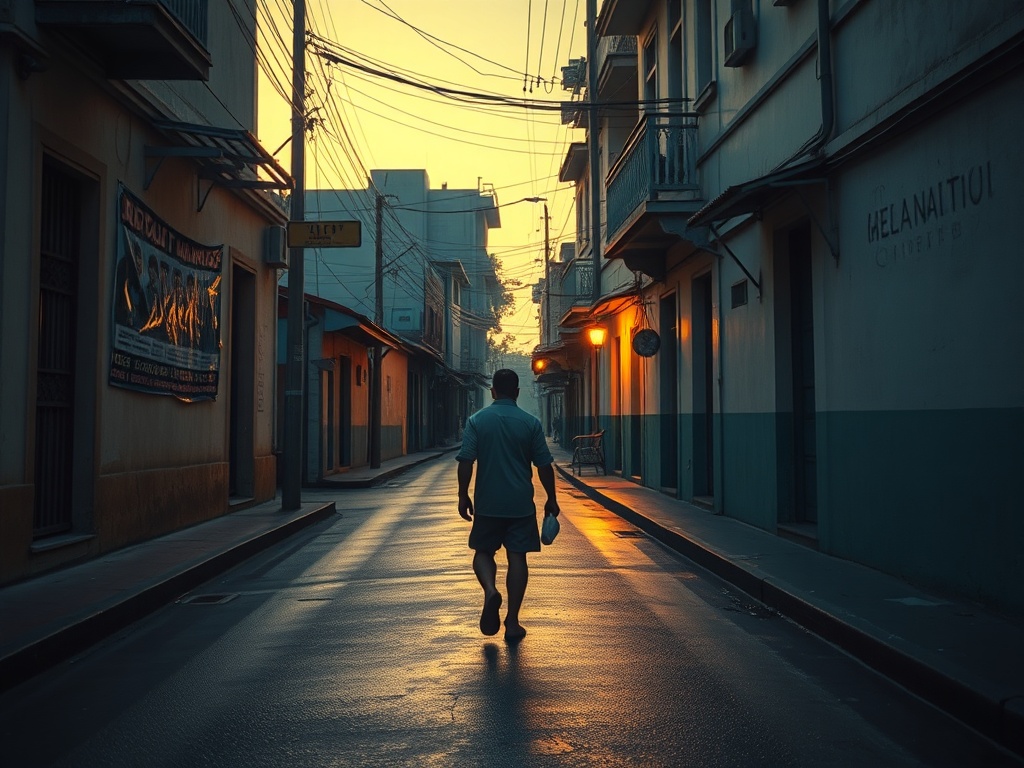
Political Posters Peeling on Malé's Walls at Dusk
Across social media platforms and private conversations, a familiar refrain echoes through Maldivian society: the weary recognition that promises made are rarely promises kept. This isn't merely political fatigue—it's the accumulated weight of watching the same patterns repeat across administrations, the same faces rotating through positions of power while fundamental problems persist.
The sentiment that "nothing anyone says is going to matter" captures a dangerous democratic deficit. When citizens stop believing their voices can effect change, the social contract frays. This disillusionment finds expression in mocking observations of political theater—politicians who don't even bother to share collaborative efforts on their own feeds, the empty performance of alliance without substance.
What emerges most powerfully is the critique of political companionship. "Having fools as friends and advisers is one of life's greatest misfortunes," writes one observer, articulating a widespread suspicion of the circles that form around power. These relationships, built on convenience rather than conviction, create governments of opportunists who wear the colors of whichever party serves their interests. The loyalty isn't to principle or people, but to position.
This tribal mentality extends beyond politics into broader social dynamics. The observation that "we all have semen though" challenges the very foundations of division, pointing toward our shared humanity beneath political and social affiliations. Yet the tribalist impulse persists, fed by rhetoric that many find "immature" and "tasteless"—the kind of discourse that reduces complex issues to simplistic us-versus-them narratives.
The American reference point in these conversations serves as both mirror and warning. When citizens elsewhere appear "stupid" or engaged in "tacky" political behavior, it reflects anxiety about similar patterns taking root locally. The concern isn't really about foreign politics—it's about the globalization of political dysfunction.
At the heart of this disillusionment lies the Maldivian reality of governance challenges: the bloated public sector, the housing crises in Malé, the healthcare shortages, and the economic pressures that make daily life increasingly difficult. When people feel their basic needs aren't being met, political theater becomes not just irritating but offensive.
The tragedy isn't that these problems exist—all societies face challenges. The tragedy is the growing conviction that those in power aren't even trying to solve them, that they've "run out of things to do" except maintain their positions. This is where democratic erosion begins: not with dramatic coups or overt authoritarianism, but with the quiet realization that the system no longer serves the people it claims to represent.
— Source fragments: Obviously it’s strange but the point here is nothing anyone says is going to matter; Having fools as friends & advisers is one of life’s greatest misfortunes; Why so tribalist; I thought the rhetoric was immature; Why are Americans so stupid; They ran out of things to do