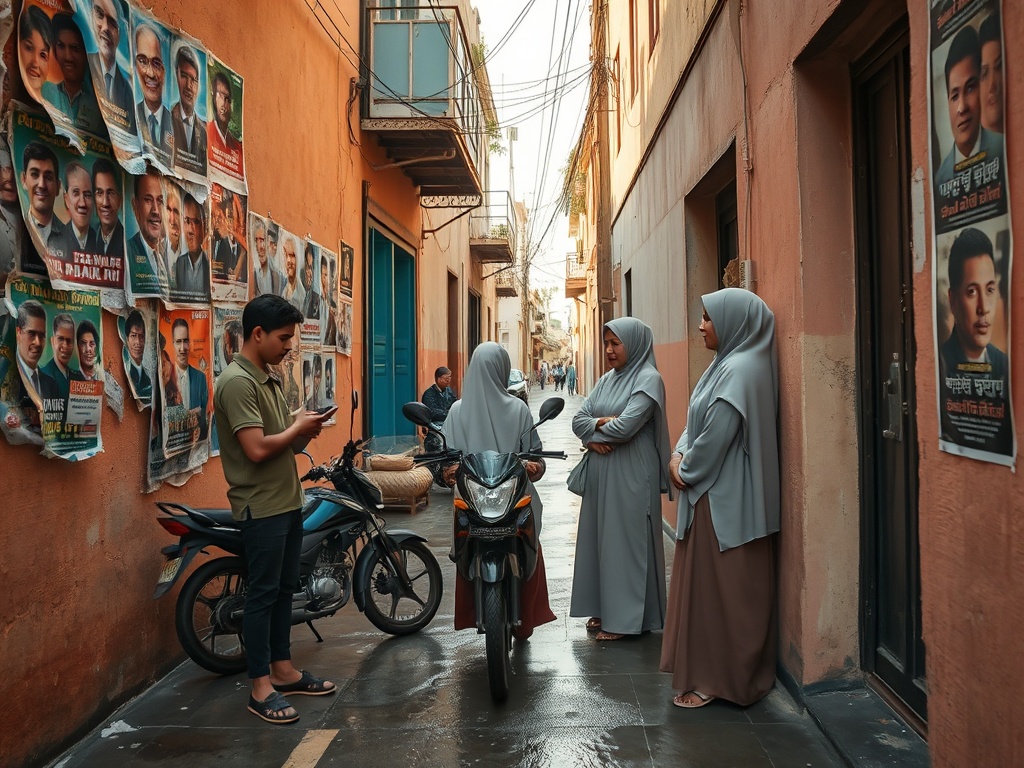
Political posters torn, neighbors who no longer meet
In the Maldives, political discourse has become a battlefield where ideology trumps solution, and allegiance outweighs analysis. This polarization, cultivated over decades, has created a societal chasm so wide that even the most radical ideas cannot find fertile ground for execution. The problem, as one observer notes, isn't just at the leadership level but embedded within the people themselves—a collective mindset where we hear one sentence from someone and immediately assume we know their entire worldview.
The consequences of this tribalism are starkly visible in our approach to governance. Political parties have perfected the art of division while offering band-aid solutions to systemic problems. The promise of free land and flats during election cycles exemplifies this approach—short-term gratifications that avoid addressing the need for proper housing frameworks and long-term urban planning. These gestures temporarily appease but ultimately deepen the housing crisis in our congested capital.
Historical narratives further complicate this landscape. Figures from our past are either sanctified or demonized with little room for nuance. The MAG era is remembered by some as a period of devilish brutality, while others view certain political actions as terrorist acts rather than liberation movements. This binary interpretation of history prevents us from learning from our collective experiences and building a more informed path forward.
Corruption allegations and protests have become cyclical, with each new administration accused of repeating the sins of its predecessors. When citizens demonstrate—whether over land rights, transportation issues, or foreign policy—the response often follows a familiar pattern: some are bribed into silence, others are imprisoned, and the underlying grievances remain unaddressed. This pattern reinforces public cynicism toward all political institutions.
The housing crisis exemplifies how political short-termism fails to solve structural problems. The proliferation of subsidized housing projects has become another political football rather than a genuine attempt to create sustainable urban environments. The system is further undermined when leaseholders sublease government-subsidized flats for profit while living abroad, demonstrating how well-intentioned programs become distorted in our polarized political climate.
What emerges from this analysis is not just criticism of specific parties or leaders, but of a system that rewards division over unity, rhetoric over results. The bitter pill we must swallow is recognizing that our political culture itself has become a form of 'vaanuvaa'—a perpetual cycle of unfulfilled promises and manufactured conflicts that prevent meaningful progress.
Until we transcend this tribal mentality and demand substantive policy over political theater, we will remain trapped in this cycle. The solution begins with acknowledging that our problems are not merely political but societal—requiring us to listen beyond party lines and build consensus around the tangible issues affecting Maldivian lives every day.
— Source fragments: Radical ideas without a societal fabric to back it up is not executable; All political parties have done is divide the people; Putting bandaid solutions such as free land/flats is not it; Many Maldivians are so polarized that we hear one sentence from someone and immediately assume we know their views; This has been going on for decades